- Addictions support
- Trauma and abuse
- Aging concerns
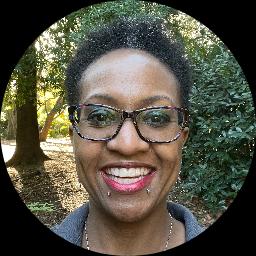
About Iisha
She takes a direct, practical approach in sessions. Conversations focus on current problems, coping strategies, and steps to manage symptoms day to day. Clients can expect a straightforward process of identifying patterns, testing small changes, and building skills for handling stress and cravings.
Her background includes long-term clinical work with substance use and trauma-related concerns. That experience informs how she handles crisis moments and planning for relapse prevention or safety when needed. She also draws on experience supporting people through relationship transitions and separation.
Iisha aims to create an environment where people can speak honestly about their thoughts and feelings without judgment. Sessions are collaborative - she helps clients set goals and track progress over time. The work is focused on getting practical relief and better routines.
She practices in California and communicates in English. Prospective clients should use the online intake flow to complete a short matching questionnaire and schedule an initial session. Subscription sessions can be canceled at any time and costs vary with location.
Areas of expertise
Primary focus
Additional focus areas
Experience
16+ years
Credentials
California, New Mexico
Languages
English
How therapeutic approaches inform online work
Many clinicians who focus on trauma and addictions use evidence-based techniques that blend practical skills with symptom management. One common approach addresses trauma by helping people notice triggers, learn grounding practices, and develop routines that reduce reactivity; this can reduce flashbacks and help with daily functioning. Another useful set of techniques targets addictive behaviors by identifying high-risk situations, building alternative coping strategies, and creating concrete plans to manage cravings and prevent relapse.Choosing the right approach is part of the work together. The therapist will discuss options, listen to the client's goals and concerns, and recommend steps that fit the person’s needs and preferences. That collaborative process may include trying a few methods to see what helps most.
Practical benefits of online sessions depend on the formats the therapist currently offers, so confirm available options before booking. Online work can make it easier to schedule appointments around errands, medical appointments, or caregiving duties. Telephone sessions can work when bandwidth is limited or a shorter check-in is needed. Overall, online sessions aim to fit therapy into everyday life while focusing on concrete strategies for coping with trauma, mood, and addictive behaviors.
Frequently asked questions
What concerns does she help with?
She works with addictions, LGBTQ+ related issues, trauma and abuse, low self-esteem, and depression. Additional focus areas include aging and geriatric issues, chronic pain or illness, and loneliness.
How does she work in sessions?
She uses a practical, goal-focused style that looks at current problems and coping strategies. Sessions emphasize identifying patterns, trying small changes, and building skills for day-to-day life.
How much clinical experience does she have?
She has 16 years of professional work experience in clinical settings. That background includes work with substance use and trauma-related concerns.
What are her credentials and where is she based?
She is a Licensed Clinical Social Worker, LCSW, licensed in California and New Mexico and practices in California.
What languages does she offer therapy in?
Sessions are offered in English.
Can people outside the US work with her?
She is not accepting international clients. Prospective clients should confirm eligibility based on licensure and location before booking.
How are fees and payment handled?
Cost varies with location. Sessions use a subscription that can be canceled at any time.
What do I do to begin?
Select the See online therapy options button, complete a short matching questionnaire, and schedule a first session.