- Grief and bereavement
- Caregiver stress
- Attachment focus
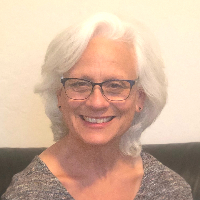
About Holly
She trained with a BA in English Literature and a Master’s in Clinical Psychology. Early work on a suicide prevention hotline and as a grief therapist and supervisor shaped her approach to loss and bereavement. That background informs how she talks about depression and traumatic loss with clients.
Holly listens closely and notices patterns in how people talk about their lives. She invites clients to name feelings and to look at how thoughts affect behavior. Sessions often move between examining feelings and testing small changes in thinking or action.
Her work draws on attachment perspectives and psychodynamic ideas to look at relationship patterns. She also uses cognitive behavioral techniques and solution-focused steps when clients want concrete ways to change mood and daily routines.
People who come for help often want to address shame, low self-esteem, isolation, or conflicts that interfere with daily functioning. Holly aims to help people make manageable shifts that can reduce distress and improve relationships.
She offers therapy in English and practices from California. Prospective clients are asked to confirm current session options before booking so they know what formats are available.
Areas of expertise
Primary focus
Also works with
Additional focus areas
Therapeutic approaches
Experience
25+ years
Credentials
California
Languages
English
Approaches used and how online work can fit
Attachment-based work looks at patterns in close relationships and how early bonds shape adult reactions. It helps when relationship habits, caregiving roles, or loneliness are central concerns. Cognitive Behavioral Therapy (CBT) focuses on how thoughts shape mood and behavior and offers practical exercises to reduce anxiety and depressive symptoms. Psychodynamic and Jungian ideas explore life themes, losses, and internal conflicts that reappear as people move through midlife and later stages.Choosing an approach is a collaborative process. The therapist will listen to what matters most and suggest methods that match the client’s goals and preferences. Plans can change as new issues come up or as a person tries different ways of working.
The biography does not specify session formats, so confirm current options before booking. Online work can make it easier to fit therapy into daily life by removing travel time and offering more flexible scheduling. It can also allow for shorter check-ins when a quick conversation helps manage a stressful day, or for sessions without video if that suits someone better. Talk with the therapist about practical needs and scheduling so sessions can be arranged to fit your routine.
Frequently asked questions
What kinds of concerns does she work with?
She works with stress, anxiety, depression, grief, relationship and intimacy issues, and coping with major life changes including aging and caregiver stress.
What is her therapeutic style?
She listens closely and helps people name feelings. Sessions mix reflective work on relationship patterns with practical steps to change thoughts and behaviors.
How long has she been practicing?
She has 25 years of clinical experience, including work on a suicide prevention hotline and as a grief therapist and supervisor.
What are her credentials and where is she located?
She is an LMFT licensed in California and practices from that state.
Does she work in other languages or internationally?
Sessions are offered in English. International clients are not currently accepted.
What session formats are offered?
The biography does not list specific session formats. Please confirm current session options before booking.
How does cost work for sessions?
Cost varies with location; sessions use a subscription model that can be canceled at any time.
How do I get started?
Select the See online therapy options button, complete the short matching questionnaire, and schedule a first session.