- Stress and anxiety
- Caregiver issues
- Art-based techniques
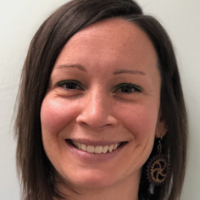
About Hannah
She uses a straightforward, present-focused style in sessions. She describes the therapeutic relationship as a partnership where therapist and client decide together what is or isn’t working. Hannah often looks for small, achievable steps first so clients can gain confidence and momentum toward larger goals.
Creative approaches are part of her work. Hannah incorporates art therapy techniques to help people explore feelings and experiences without needing prior art skills. She combines expressive methods with talk-based therapies to make room for different ways of understanding and coping.
Her clinical toolkit includes Acceptance and Commitment Therapy, Attachment-Based methods, Client-Centered work, Cognitive Behavioral Therapy, and Dialectical Behavior Therapy. She also draws on supportive, motivational, mindfulness-based, and family-systems ideas when helpful for the concern at hand.
Hannah’s background includes in-home, outpatient, school, and community program settings. That variety informs how she helps people manage life changes, caregiver stress, communication problems, and grief. To begin, the usual next step is to complete the matching questionnaire and schedule a first session.
Areas of expertise
Primary focus
Also works with
Additional focus areas
Therapeutic approaches
Experience
7+ years
Credentials
Virginia
Languages
English
Therapeutic approaches and online sessions
Hannah commonly uses Acceptance and Commitment Therapy and Attachment-Based Therapy alongside Client-Centered techniques. ACT focuses on clarifying values and taking small steps that match those values, which can help with stress, anxiety, and life transitions. Attachment-Based Therapy looks at how past and current relationships shape reactions and communication, which is useful for relationship, caregiving, and intimacy challenges. Client-Centered Therapy emphasizes listening and collaboration, giving people room to lead the work while the therapist offers support and reflection.Finding the right approach is part of the work together. Hannah will discuss different methods and help decide which fit the client’s goals and preferences. That choice is revisited over time as needs change, so the plan can evolve with the person.
The biography does not specify exact session formats, so confirm current options before booking. Online sessions can make it easier to fit counseling into a busy day, shorten commute time, and allow check-ins from different locations. Some formats need less bandwidth or no camera, and others support longer conversations and exercises; discuss preferences at the first appointment so sessions match practical needs and therapeutic goals.
Frequently asked questions
What kinds of problems does she help with?
She works with stress, anxiety, depression, trauma and abuse, bipolar disorder, addictions, grief, relationship and intimacy issues, parenting and caregiver stress, and aging and geriatric concerns.
What is her approach in sessions?
She uses a present-focused, collaborative style that starts with achievable steps. She pairs creative art-based work with evidence-informed therapies like CBT, ACT, DBT, and attachment-based methods.
How long has she worked in mental health?
She has over 16 years of experience in mental health and has held her LPC credential since 2019, which is seven years as an LPC.
Where is she licensed and based?
She is a Licensed Professional Counselor (LPC) in the state of Virginia and practices in that state.
Does she offer sessions in other languages or to international clients?
Sessions are offered in English. She does not accept international clients at this time.
What session formats are used?
The original biography does not list specific session formats. Please confirm current session options before booking.
How are costs handled?
Cost varies by location and sessions are provided through a subscription that can be canceled at any time.
How do I begin working with her?
Select the See online therapy options button, complete the short matching questionnaire, and schedule a first session.