- Stress and anxiety
- Addiction support
- Grief and loss
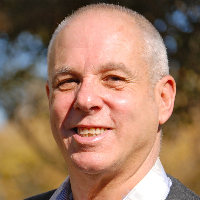
About Gary
He believes clients carry their own answers and sees his role as a guide, educator, advocate, and encourager. Sessions are practical and goal oriented. He aims to help people reach a point where they no longer need ongoing counseling.
Zarchy draws on client-centered methods that prioritize each person’s perspective. He also uses cognitive behavioral techniques to address unhelpful thinking and behavior patterns. These tools are applied to problems like addiction, anxiety, relationship conflict, and mood struggles.
For trauma-related work he includes EMDR and mindfulness practices to help reduce distressing symptoms and improve emotional regulation. Existential ideas are used when people face big life questions, losses, or career transitions. Motivational interviewing and solution-focused steps are included when change feels stalled.
He has a master’s degree from the University of Phoenix and has taught in their counseling department for about 18 years, both in person and online. That teaching work informs his approach to helping people learn new skills and perspectives.
People who contact him can expect clear, direct conversations about goals and steady steps toward them. He emphasizes measurable progress and a plan for ending therapy when goals are met.
Areas of expertise
Primary focus
Also works with
Additional focus areas
Therapeutic approaches
Experience
25+ years
Credentials
Arizona
Languages
English
Therapeutic approaches and how online sessions are used
Client-centered therapy focuses on listening and reflecting what matters to the person. It helps people clarify goals and make choices that fit their life. Cognitive behavioral therapy targets the thoughts and behaviors that keep problems going and offers concrete skills for mood, anxiety, and coping.Finding the right approach is a collaborative process. The therapist will work with the client to identify which methods make the most sense for the problem at hand, drawing on CBT, client-centered work, or EMDR when trauma is a concern. Treatment plans are adjusted as progress is tracked and goals change.
Confirm session formats before booking since specific remote options are not stated here. Online work can make scheduling easier, reduce travel, and allow shorter check-ins when that fits the week. It can also let someone do a session without needing to be seen on camera if that is preferred. These practical benefits help therapy fit into everyday life while the therapist and client focus on clear goals and usable skills.
Frequently asked questions
What kinds of concerns does he work with?
He works with stress, anxiety, addictions, depression, trauma, relationship issues, grief, and related concerns. Aging and geriatric issues and hospice and end-of-life counseling are listed as additional focus areas.
What is his therapy style like?
He uses a client-centered approach that emphasizes the person’s own strengths and choices. He also uses cognitive behavioral techniques, EMDR, mindfulness, motivational interviewing, and existential ideas as needed.
How long has he practiced?
He has 25 years of experience in clinical work. He also teaches in the counseling department at the University of Phoenix, which informs his clinical approach.
What credentials and location apply?
He is an LPC (Licensed Professional Counselor) licensed in Arizona. His professional work is based in Arizona.
Are sessions offered in other languages?
Sessions are offered in English.
Can I have remote sessions or international appointments?
International clients are not currently accepted. Confirm current session formats before booking to see what remote or in-person options are available.
How does payment and cost work?
Cost varies with location and sessions use a subscription that can be canceled at any time. Confirm exact fees during the intake process.
How do I begin working with him?
Start by selecting the See online therapy options button, completing a short matching questionnaire, and scheduling a first session.