- Person-centred approach
- Attachment-based work
- Mindfulness practice
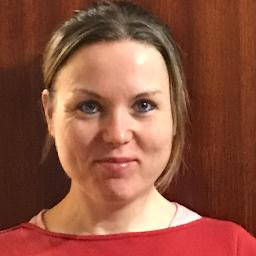
About Eva
Eva uses a person-centred way of working. She listens to understand and keeps the client in charge of the session. Her approach includes attachment-based ideas and emotionally-focused ways of looking at relationships, plus elements of existential thinking and mindfulness when they help.
She holds a Level 4 diploma in therapeutic counselling and follows the BACP Code of Ethics. Her training record also includes workshops on safeguarding children and young people, LGBTQ terminology and pronouns, eating disorder support, gender and sexuality topics, and a certificate in online and telephone counselling.
Eva has worked with both young people and adults. Her caseload has included anxiety, depression, self-harm, low self-esteem, neurodiversity, suicidal thoughts, transgender matters, childhood trauma, codependency, eating disorders and relationship issues. She also helps with caregiver stress and family communication concerns that often come later in life.
In sessions she aims to help people talk through feelings, trace patterns that repeat, and notice how past relationships affect current ones. She invites clients to explore their experience at a pace that feels manageable, with a focus on understanding and clearer ways of relating to themselves and others.
Areas of expertise
Primary focus
Also works with
Additional focus areas
Therapeutic approaches
Experience
3+ years
Credentials
BACP · United Kingdom
Languages
English
How therapeutic approaches translate to online sessions
Attachment-based work focuses on how early relationships shape how people feel and connect now. In online sessions this can help when someone wants to understand patterns in partnerships, caregiving roles or how loss affects later relationships.Client-centred work means the client leads and the counsellor listens deeply. Online it becomes an opportunity to speak through immediate worries, test new ways of relating and notice what feels different in domestic or care settings.
Emotionally-focused methods concentrate on feelings in relationships and on reshaping interaction patterns. This approach can suit people coping with intimacy issues, recent bereavement or shifting roles in later life.
Finding the right approach is part of the work. Eva will discuss what seems most helpful and adapt her use of attachment-based, person-centred or emotionally-focused ideas to fit the client’s concerns, goals and preferences. This is a collaborative conversation rather than a one-off decision.
The biography records training in online and telephone counselling, but session formats were not fully specified. Please confirm the current options before booking. Online arrangements can make it easier to fit therapy around appointments, caregiving duties or limited travel, and can allow shorter check-ins or telephone conversations when that suits practical needs.
Frequently asked questions
What kinds of problems does she help with?
Eva works with anxiety, depression, relationship and intimacy issues, trauma and abuse, grief, self-esteem and ageing-related concerns among other matters.
How would she describe her therapeutic style?
Her style is predominantly person-centred. She listens to understand, keeps sessions client-led and draws on attachment-based and emotionally-focused ideas as needed.
How much experience does she have?
She has three years of counselling experience and has worked with both young people and adults on a range of issues.
What professional credentials and where is she based?
She holds a Level 4 diploma in therapeutic counselling and is an individual member of BACP. She practices in the United Kingdom.
Can I work with her if I live outside the UK?
Sessions are offered to international clients. Conversations are conducted in English.
Which session formats are available?
The original biography mentions a certificate in online and telephone counselling. Please confirm the current session formats when arranging a first appointment.
How does pricing work?
Cost varies with location and sessions use a subscription model that can be cancelled at any time.
What do I need to do to get started?
Select the See online therapy options button, complete the short matching questionnaire and then schedule your first session.