- Person-centred approach
- Motivational interviewing
- Solution-focused therapy
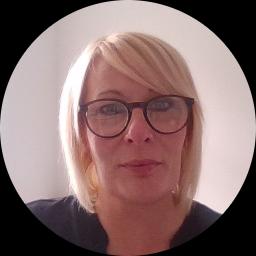
About Emma
Before training as a counsellor she worked in mental health services supporting adults, young adults and families. That background informs how she listens for the practical effects of distress on daily life. Emma has recent experience supporting survivors of sexual violence and domestic abuse, and she draws on that work when helping people who have experienced trauma.
Her practice uses a person-centred approach. That means sessions focus on the person’s experience and the relationship with the counsellor. Emma also uses Motivational Interviewing to help people move towards change, and Solution-Focused Therapy to identify clear, achievable steps when needed.
In sessions she talks through feelings, relationships and everyday problems. She helps people set small goals and notice what changes when they try different approaches. Practical problems such as caring responsibilities, health changes, bereavement and retirement transitions are included alongside emotional concerns.
Emma follows the BACP Ethical Framework and keeps up to date with professional developments. To begin a series of sessions clients use the site’s matching process to choose an online package, complete a short questionnaire and book a first meeting.
Areas of expertise
Primary focus
Also works with
Additional focus areas
Therapeutic approaches
Experience
4+ years
Credentials
BACP · United Kingdom
Languages
English
Therapeutic approaches used in online sessions
Emma uses person-centred work to base sessions on the client's own experience and what matters most to them. This approach focuses on listening, reflecting what is said, and helping people make sense of difficult feelings and relationships.She also uses Motivational Interviewing to help people who are unsure about change. That approach is practical and conversational, useful for issues like addiction, health behaviour or starting new routines. Solution-Focused Therapy appears in sessions when a clearer plan is helpful; it concentrates on small, achievable steps and what a client wants to be different.
Finding the right mix of approaches is part of the process. The therapist will work with the client to decide which methods fit their needs, goals and preferences. This is a collaborative decision, reviewed as work progresses.
The biography does not specify which online formats are offered, so please confirm available session types before booking. Online work can make it easier to fit sessions around care duties, appointments and travel, and it can allow shorter check-ins or meetings without needing a long commute. Registered or accredited professionals and therapists often adapt their methods to suit the rhythms of daily life and the practicalities of later-life concerns.
Frequently asked questions
What issues does she work with?
She works with grief, relationships, anxiety, depression and coping with life changes, among other concerns such as addiction and family problems.
What is her therapeutic style?
She practices a person-centred approach, using Motivational Interviewing and Solution-Focused Therapy to support change and practical steps.
How much experience does she have?
She has four years of experience working in the United Kingdom, including work in mental health services and with survivors of sexual and domestic abuse.
What are her credentials and where is she based?
She is registered with the British Association for Counselling and Psychotherapy (BACP) and works in the United Kingdom.
Can I have sessions in other languages?
Sessions are offered in English.
What session formats are available?
The original biography does not list specific session formats. Please confirm current session options before booking.
How are sessions charged?
Cost varies with location and sessions use a subscription that can be cancelled at any time.
How do I begin working with her?
Use the See online therapy options button, complete the short matching questionnaire, and schedule a first session.