- CBT tools
- DBT skills
- Mindfulness practices
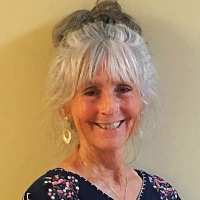
About Elizabeth
Her style is conversational and person-centered. Sessions begin with listening to what matters most to the individual. She aims to learn a person’s strengths, limits, and immediate concerns before suggesting approaches that might help.
Over two decades she has helped people who are coping with trauma and abuse, relationship and intimacy concerns, parenting strain, sleep and eating difficulties, and mood conditions such as bipolar disorder. She also works with people facing compassion fatigue, ADHD, and abandonment issues.
Elizabeth uses practical tools from Cognitive Behavioral Therapy and Dialectical Behavior Therapy alongside mindfulness and client-centered work. That mix is intended to offer short-term strategies and longer-term skills-building. She adapts techniques based on what a person can use day to day.
People who come to her often want immediate relief and skills they can practice between sessions. Elizabeth focuses on clear plans, concrete skills, and realistic steps to manage emotions, cope with change, and restore a measure of stability in everyday life.
Areas of expertise
Also works with
Additional focus areas
Therapeutic approaches
Experience
20+ years
Credentials
New Mexico
Languages
English
Therapeutic approaches and working online
Elizabeth commonly draws on Cognitive Behavioral Therapy and Dialectical Behavior Therapy alongside client-centered work. CBT focuses on identifying unhelpful thought patterns and testing practical changes in behavior to reduce symptoms like anxiety or sleep trouble. DBT teaches emotion regulation and distress tolerance skills useful for strong mood swings, anger, and relationship stress. Client-centered work keeps the conversation focused on the person’s priorities and strengths, adding structure as needed.Finding the right approach is a collaborative process. She will work with each person to decide which methods fit their goals and daily life. That may mean starting with brief skills for crisis management, then adding strategies for longer-term problems such as grief or coping with life changes related to aging.
The biography does not list specific session formats, so confirm current options before booking. Many people choose online work because it can fit into care routines, reduce travel, or allow shorter check-in sessions when schedules are tight. Online sessions can make it easier to try skills between meetings and bring real-life situations into conversation during the session.
Frequently asked questions
What concerns does she address?
She works with stress, anxiety, depression, addictions, trauma, grief, relationship and intimacy issues, parenting challenges, and aging and geriatric issues among other concerns.
How does she approach therapy?
Her approach is person-centered and conversational. She listens first, then offers CBT, DBT, mindfulness, and client-centered techniques based on individual needs.
How long has she been practicing?
She has 20 years of experience working in settings such as psychiatric hospitals, correctional facilities, substance treatment centers, and community counseling centers.
What are her credentials and where is she based?
She is an LPCC, licensed in New Mexico, and practices from that state.
Does she offer sessions in other languages?
Sessions are offered in English.
Can sessions be held online or by phone?
Please confirm current session options before booking, as the biography does not list specific formats. The site matching step will show available session formats.
How are sessions paid for?
Cost varies with location and sessions use a subscription that can be canceled at any time.
What should I do to begin?
Select the See online therapy options button, complete a short matching questionnaire, and schedule a first session.