- Stress and anxiety
- Grief and loss
- Attachment work
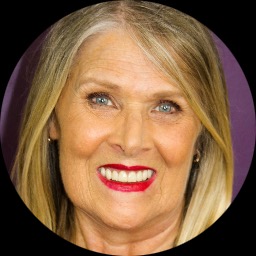
About Diane
Her sessions begin with a clear conversation about what you want to address. She listens for patterns from family of origin, attachment, and life transitions that may be contributing to current stress. Diane uses straightforward talk and reflective questions to help people name their concerns and decide on next steps.
Diane draws on attachment-based ideas to look at how early relationship experiences shape adult reactions. She also uses client-centered methods to keep the conversation person-focused and respectful. Existential approaches are used when people are weighing life purpose, meaning, or major transitions.
Practical problem solving is part of the work. Diane helps people practice clearer communication, set boundaries, and cope with grief or trauma symptoms. Sessions can include reviewing day-to-day patterns, role-played conversations, and homework aimed at small behavior changes.
She asks new clients to complete a short matching questionnaire and then schedule a first session. Payment is handled through a subscription model that can be canceled at any time. Diane offers services in English and works from California.
Areas of expertise
Primary focus
Additional focus areas
Therapeutic approaches
Experience
6+ years
Credentials
California
Languages
English
How Diane's approaches guide online work
Attachment-Based Therapy looks at patterns from early relationships and how they affect current attachments. It helps when relationship worries, abandonment fears, or long-standing trust issues keep repeating in adult life.Client-Centered Therapy keeps the focus on the person's experience and priorities. The therapist follows your lead, reflects what she hears, and helps you decide which changes to try next. Existential ideas are used when the work turns to questions of life purpose, meaning, or handling major transitions.
Finding the right approach is part of the work. Diane will discuss how these methods might fit your needs and will collaborate with you to choose a direction. That means talking about goals, preferences, and what feels most useful in weekly sessions.
The original biography does not list specific session formats, so please confirm current options before booking. In general, online therapy can make it easier to fit sessions into a busy life, shorten travel time, and allow for flexible scheduling. It can also allow for shorter check-ins when needed or sessions without video when that works better for someone. Licensed professionals use their approaches to help you apply what is discussed to everyday situations.
Frequently asked questions
What kinds of problems does she help with?
Diane works with stress, anxiety, relationship problems, trauma and abuse, grief, and low self-esteem. She also focuses on related concerns such as abandonment, codependency, loneliness, and aging and geriatric issues.
How would you describe her therapeutic style?
She uses attachment-based, client-centered, and existential approaches. The style is conversational and focused on practical steps like clearer communication and boundary setting.
How much experience does she have?
She has six years of professional experience working with adults on relationship and life transition issues.
What are her credentials and where is she based?
She is a California Licensed Marriage and Family Therapist (CA LMFT) and practices in California.
Does she work in other languages or with international clients?
Sessions are offered in English. She is not currently accepting international clients.
What session formats are offered?
The original biography does not list specific session formats. Please confirm current session options when you book.
How are payments handled?
Sessions use a subscription model and the subscription can be canceled at any time. Cost varies with location.
What do I need to do to get started?
Select the See online therapy options button, complete the short matching questionnaire, and schedule your first session.