- Anxiety and depression
- Attachment and relationships
- Coping with life changes
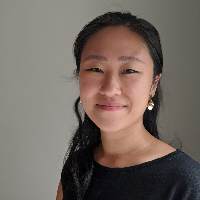
About Deborah
She uses a mix of approaches and leans on cognitive behavioral ideas and motivational interviewing to help people notice unhelpful thoughts and try different behaviors. Deborah also draws on attachment-based and emotionally-focused ideas when relationship patterns are central to the issue. Her work often addresses trauma, grief, self-esteem, ADHD, and challenges that appear during major life changes, including later-life concerns like caregiving and adjustment to aging.
Sessions focus on identifying thought and behavior patterns and building practical coping skills. She helps people process difficult experiences and practice new ways of relating to themselves and others. For clients with addiction or co-occurring issues, she incorporates strategies that target motivation and relapse prevention.
Deborah has experience supporting LGBT people and those affected by adoption and foster care histories. She has worked with people who have personality-related concerns and attachment difficulties, and she supports those coping with cancer or medical transitions.
People typically start by completing a short matching questionnaire and scheduling a first session. Deborah accepts clients from outside the United States and conducts therapy in English.
Areas of expertise
Primary focus
Also works with
Additional focus areas
Therapeutic approaches
Experience
11+ years
Credentials
New York, California
Languages
English
How Deborah Cho applies therapeutic approaches online
Deborah commonly draws on cognitive behavioral therapy and attachment-based therapy when working with people. Cognitive behavioral therapy focuses on spotting unhelpful thoughts and testing small behavior changes to reduce anxiety or depression. Attachment-based therapy looks at patterns in how people relate to others and helps them understand and change those patterns when relationships are a source of distress.Finding the right approach is part of the work. Deborah will discuss your goals and preferences and together you will decide which methods to try. That collaborative process makes it easier to adapt techniques to issues like grief, caregiving stress, mood instability, or substance use concerns.
Session formats are not listed in the biography, so confirm current options before booking. Online sessions can make it easier to fit therapy into a busy day, allow a shorter check-in when needed, or remove the need to travel. The therapist will help arrange session timing and a style of work that fits everyday life and your practical constraints.
Frequently asked questions
What kinds of concerns does she work with?
She works with stress, anxiety, bipolar disorder, depression, addictions, relationship and family issues, trauma and grief, anger, self-esteem, ADHD, and aging and geriatric issues.
What is her general therapy style?
She uses a person-centered, interactive approach that emphasizes identifying thought and behavior patterns and practicing new coping skills.
How much clinical experience does she have?
She has 11 years of experience providing therapy and crisis intervention in settings like hospitals, community programs, schools, and substance use treatment.
What are her credentials and where does she practice?
She is an LCSW licensed in New York and California and practices from New York.
Which languages are offered for sessions?
Sessions are offered in English.
Can people outside the United States work with her?
She accepts international clients.
How are sessions scheduled and what does cost look like?
Cost varies by location and sessions use a subscription that can be canceled at any time.
How do I get started?
Select the See online therapy options button, complete a short matching questionnaire, and schedule a first session.