- Stress and anxiety
- Compassion fatigue
- Career transitions
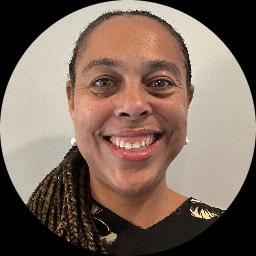
About Daphne
She focuses on practical skills that people can use between sessions. That can mean developing straightforward stress management routines, building confidence through small behavioral changes, or making plans for a career or life transition. She helps people who are feeling worn out from caregiving or professional caregiving roles to recognize signs of compassion fatigue and to plan recovery steps.
Her way of working centers on listening and on helping people notice what already works for them. She uses Client-Centered ideas to follow a person's priorities and Solution-Focused methods to set short-term, achievable goals. Cognitive Behavioral Therapy is used to identify unhelpful thinking and to practice different responses in daily life.
Dr. Washington also attends to issues that come up later in life, including aging and geriatric issues and stresses that affect family relationships and finances. She brings attention to practical choices and to values that shape decisions during retirement or caregiving phases.
Her background includes counselor education along with years of clinical practice. Sessions are aimed at clear next steps and at skills people can use right away. To begin, prospective clients complete a short matching questionnaire and schedule a first meeting.
Areas of expertise
Primary focus
Also works with
Additional focus areas
Therapeutic approaches
Experience
7+ years
Credentials
Maryland
Languages
English
Therapeutic approaches and remote sessions
Dr. Washington commonly draws on Client-Centered Therapy and Cognitive Behavioral Therapy in her work. Client-Centered Therapy focuses on listening closely and following the person's priorities so goals reflect what matters most. Cognitive Behavioral Therapy looks at unhelpful thinking patterns and teaches practical skills to change behavior and mood.Finding the right approach is a collaborative process. She works with each person to decide which methods fit their goals and preferences. Sessions often combine listening, goal-setting, and exercises to practice between meetings so progress can be measured and adjusted.
The biography does not list specific session formats, so please confirm the current options before booking. In general, remote work can make it easier to fit therapy into a busy day, reduce travel time, and allow shorter check-ins when needed. It can also let someone join from a quieter location, or choose a session length that suits a busy schedule. Licensed professionals will work with clients to plan sessions that fit routines and goals.
Frequently asked questions
What kinds of concerns does she address?
She works with stress, anxiety, self-esteem, compassion fatigue, grief, relationship issues, career changes, and coping with life changes. She also focuses on aging and geriatric issues and caregiver stress.
How would you describe her therapeutic style?
She uses a person-centered approach and focuses on practical strategies. Sessions often set short-term goals and practice new responses between meetings.
What is her clinical background?
She has seven years of clinical therapy experience and additional years in counselor education. That mix informs both skills work and discussion of life transitions.
What credential does she hold and where is she based?
She is an LCPC in Maryland. Her practice location is listed as Maryland.
Does she work in other languages or accept international clients?
Sessions are offered in English. She does not accept international clients at this time.
What session formats are offered?
The biography does not specify session formats. Please confirm current session options before booking.
How are fees and payment handled?
Cost varies with location; sessions use a subscription model that can be canceled at any time.
How do I get started with a first session?
Select the See online therapy options button, complete a short matching questionnaire, and schedule a first session.