- Addictions
- Grief and loss
- Mindfulness and CBT
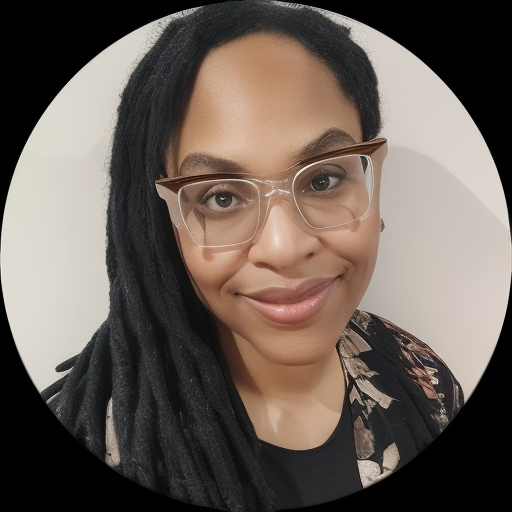
About Damara
She focuses on practical skills and clearer communication. Sessions often look at patterns that keep someone stuck and build concrete steps to change them. That can mean learning strategies for managing strong emotions, practicing new ways to talk with others, or setting realistic goals for work and relationships.
Her clinical approaches include cognitive behavioral methods, dialectical behavior techniques, mindfulness, and motivational interviewing. These are used to reduce distress, improve coping, and increase day-to-day functioning. The methods are applied in straightforward ways rather than as abstract theory.
Damara notes an interest in issues that come up later in life, including aging and geriatric concerns, midlife transitions, and questions about life purpose. She also addresses body image, commitment and control issues, and the emotional fallout from disasters and trauma.
People who contact her tend to want clear communication, steady problem-solving, and tools they can use between sessions. To start, she asks about current stressors, what has helped before, and what a small first step could look like.
Areas of expertise
Primary focus
Also works with
Additional focus areas
Therapeutic approaches
Experience
12+ years
Credentials
South Carolina, New York, Texas
Languages
English
How her approaches translate to online work
Damara commonly uses cognitive behavioral techniques and mindfulness in sessions. Cognitive behavioral work focuses on identifying unhelpful thoughts and testing small behavior changes to see what helps. Mindfulness practices help people notice stress and reduce reactivity through simple attention exercises.She also draws from dialectical behavior therapy skills and motivational interviewing. DBT skills teach emotion regulation, distress tolerance, and clearer interpersonal effectiveness. Motivational interviewing helps clarify values and strengthen intent when making changes like reducing substance use or shifting career choices.
Choosing the right approach is a collaborative process. The therapist will discuss goals, try methods that fit the issue, and adjust based on what proves useful. Clients and the therapist decide together which skills to emphasize and how to pace work.
Session formats are not detailed in the biography, so confirm current online options before booking. Online work can make it easier to fit sessions around appointments and errands, allow shorter check-ins when needed, and remove travel time. Many people find video or phone sessions help them maintain continuity of care and practice skills between meetings.
Frequently asked questions
What kinds of concerns does she address?
She works with addictions, grief, anger, career stress, coping with life changes, and related issues such as isolation and shame.
How does she approach therapy?
She uses cognitive behavioral methods, dialectical behavior techniques, mindfulness, and motivational interviewing to teach practical skills and reduce distress.
How long has she been practicing?
She has 12 years of clinical experience working with adults on emotional and life-transition concerns.
Where is she licensed and based?
She is licensed as an LCSW in New York and holds an LISW-CP in South Carolina, with practice listed in New York.
What languages are supported?
Sessions are offered in English.
Can I have sessions from another country?
International clients are not currently accepted.
How are sessions billed?
Cost varies with location and sessions use a subscription that can be canceled at any time.
How do I begin working with her?
Use the See online therapy options button, complete a short matching questionnaire, and schedule a first session.