- Attachment-based methods
- Cognitive Behavioral Therapy
- Caregiver and aging issues
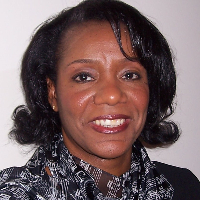
About Cynthia
Her approach begins by looking at a person’s strengths and the patterns that keep them stuck. She uses conversational methods that include Cognitive Behavioral Therapy and Attachment-Based ideas to help people notice thoughts and behaviors that affect mood and relationships. She also uses Solution-Focused and Motivational Interviewing techniques for short-term goal work and decision making.
Cynthia is open to discussing faith when clients want to include it, and she describes some of her work as biblical and strength-based when that fits the client. She offers coaching-style conversations for people wanting practical steps and clearer next moves, including relationship boundaries for singles and premarital assessments completed online.
She mentions using Aroma Freedom and essential therapeutic oils as an optional tool for emotional work for those interested. Sessions can include reflective talk, practical skill building, and planning for daily routines that support better sleep and mood.
Her practice supports people navigating midlife shifts, caregiver strain, family-of-origin issues, isolation and questions about life purpose. Prospective clients should confirm current session options and formats before booking.
Areas of expertise
Primary focus
Also works with
Additional focus areas
Therapeutic approaches
Experience
10+ years
Credentials
District of Columbia
Languages
English
How Cynthia’s approaches translate to online work
Cognitive Behavioral Therapy focuses on identifying thought and behavior patterns that keep someone feeling stuck and then practicing new ways of thinking and acting. It is useful for anxiety, depression, sleep troubles, and low mood by giving clear steps to change day-to-day habits.Attachment-Based Therapy looks at relationship patterns formed over time and how they affect current connections. This approach helps with intimacy questions, communication problems, and family-of-origin issues by mapping how people relate and trying new interaction strategies.
Finding the right approach is part of the work together. The therapist will talk with the client about goals, preferences, and practical needs, then choose or combine methods that fit. That planning happens collaboratively and can change as goals shift.
Session formats are not specified in the biography, so confirm current online options before booking. Online sessions can make it easier to fit therapy into a busy week, allow shorter check-ins when needed, and remove travel time. They can also make it simpler to include focused coaching tasks, premarital assessments completed remotely, or targeted skill practice between sessions.
Frequently asked questions
What kinds of concerns does she address?
She works with stress, anxiety, depression, grief, relationship and intimacy-related issues, caregiver stress, and aging and geriatric issues among other topics.
How would you describe her therapeutic style?
Her work blends practical, goal-focused methods with attachment-informed conversations and cognitive-behavioral techniques to help people change unhelpful thoughts and patterns.
How much experience does she have?
She has ten years of clinical experience as a Licensed Professional Counselor.
Where is she based and what credentials does she hold?
She is based in the District of Columbia and holds the credential LPC, Licensed Professional Counselor.
What languages are supported?
Sessions are offered in English.
Does she work with international clients?
She does not accept international clients at this time.
How are sessions arranged and what is the cost structure?
Cost varies with location and sessions use a subscription that can be canceled at any time; prospective clients should review pricing details before scheduling.
What is the first step to begin working with her?
Select the See online therapy options button, complete the short matching questionnaire, and schedule a first session.