- Client-centered therapy
- Cognitive behavioral work
- Caregiver and aging issues
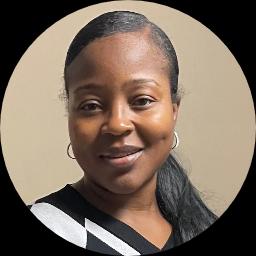
About Chrissy
Her sessions are client-centered and interactive. She listens to each person's story and builds a plan with clear goals. Conversations are practical and focus on what a person wants to change and how to get there.
Chrissy uses cognitive behavioral techniques to help people recognize patterns of thinking that keep problems going. She also draws from dialectical behavior strategies to teach emotion regulation and coping skills when feelings become overwhelming. Motivational interviewing is used when people need help deciding on next steps and strengthening commitment to change.
She brings experience from both counseling and nursing, which informs work with chronic illness, caregiver stress, and medical concerns that affect mood and daily life. Sessions often address how health changes, retirement, loss, and shifting family roles affect relationships and wellbeing.
Practical tools, clear steps, and regular check-ins are part of her approach. People can expect conversations that review progress, adjust plans, and practice new skills. To begin, clients follow the site process to match and schedule a first session.
Areas of expertise
Primary focus
Also works with
Additional focus areas
Therapeutic approaches
Experience
15+ years
Credentials
South Carolina
Languages
English
How her approaches translate to remote sessions
Client-Centered Therapy focuses on listening and collaboration. In practice this means sessions center on the client's concerns, with the therapist reflecting understanding and helping set priorities for change. Cognitive Behavioral Therapy (CBT) looks at links between thoughts, feelings, and behaviors. It uses practical exercises and homework to build new habits and reduce symptoms of anxiety or depression. Dialectical Behavior Therapy (DBT) provides skills for managing intense emotions and improving interpersonal effectiveness; it is useful when someone needs clear strategies for emotion regulation and stress management.Choosing the right approach is part of the work together. The therapist will review goals and preferences, try methods that match a person's needs, and adjust the plan based on what helps. That collaborative process helps identify which techniques fit best for issues such as grief, caregiver stress, or life transitions.
Session formats are not specified in the biography, so confirm current options before booking. Online sessions can make it easier to fit therapy into a busy week, shorten travel time, and allow check-ins without needing to leave home. Different formats can suit different needs - for example a shorter phone check-in can work when bandwidth is limited or a brief break is needed, while video sessions allow face-to-face interaction for skills practice. Discussing practical preferences at the first meeting helps align format with goals and daily routines.
Frequently asked questions
What concerns does she help with?
She works with depression, anxiety, grief, substance use, relationship problems, and life changes, and lists aging and geriatric issues among her focus areas.
What is her therapeutic style?
Her style is client-centered and interactive, using dialog and an individualized treatment plan to set goals and track progress.
How much experience does she have?
She has 15 years of experience as a counselor and also has a background in nursing that informs work with health-related concerns.
What are her credentials and where is she based?
She is a Licensed Professional Counselor (LPC) licensed in South Carolina and works from that state.
Which languages are supported?
Sessions are offered in English.
Can international clients work with her?
International clients are not currently accepted.
How does payment and cost work?
Cost varies with location; sessions use a subscription model that can be canceled at any time.
How do I get started?
Select the See online therapy options button, complete the short matching questionnaire, and schedule a first session.