- Grief and loss
- Anxiety management
- Caregiver stress
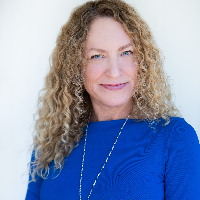
About Catherine
She works in a direct, conversational way and uses practical tools in sessions. That can mean looking at thoughts and behaviors that maintain anxiety, setting small goals to move forward, or breaking problems into manageable steps. Sessions are intended to address immediate concerns as well as longer term patterns.
Catherine draws on Cognitive Behavioral Therapy to help people notice and change unhelpful thinking and behavior. She uses Motivational Interviewing when someone wants to clarify goals and find motivation for change. Solution-Focused Therapy helps when people want short-term, goal-oriented work to resolve a specific issue.
Her hospice background means she has experience with loss, end-of-life matters, and caregiver stress. She supports people dealing with cancer, HIV/AIDS, and the emotional load that comes with serious illness. She also works with issues such as abandonment, attachment concerns, codependency, and jealousy.
Catherine conducts sessions in English and practices in North Carolina. Practical matters such as cost use a subscription model that can be canceled at any time. To begin, a short matching questionnaire is completed and a first session is scheduled.
Areas of expertise
Primary focus
Also works with
Additional focus areas
Therapeutic approaches
Experience
10+ years
Credentials
North Carolina
Languages
English
Approaches used in online sessions
Online work with Catherine often draws on Cognitive Behavioral Therapy and Motivational Interviewing. CBT helps people spot patterns of thinking and behavior that keep anxiety or low mood going, and then tests small changes to see what helps. Motivational Interviewing focuses on clarifying a person’s own reasons for change and building the practical steps to get there. Solution-Focused Therapy can be used for shorter-term, goal-directed work when someone wants quick, concrete progress.Choosing the right approach is part of the process. The therapist will discuss goals, preferences, and what has or hasn't worked before. Together they decide which methods to try and adjust the plan as needed based on how things go.
Session format details should be confirmed before booking since current session options are not listed here. Online work can make it easier to fit sessions into a busy life, reduce travel time, and allow shorter check-ins when that suits a schedule. It can also help people stay consistent during stressful life changes such as caregiving, health treatments, or transitions related to aging and later-life planning.
Frequently asked questions
What concerns does she help with?
She works with grief, anticipatory grief, anxiety, stress, relationship problems, and self-esteem. Her additional focus includes caregiver stress, aging and geriatric issues, and end-of-life concerns.
What is her approach to therapy?
She uses practical methods like Cognitive Behavioral Therapy, Motivational Interviewing, and Solution-Focused Therapy. Sessions aim to change unhelpful thoughts, clarify goals, and set small steps forward.
How much experience does she have?
She has ten years of experience working in hospice care and private practice. That background informs work with grief and end-of-life matters.
What are her credentials and location?
She is a Licensed Clinical Social Worker (LCSW) licensed in North Carolina and practices in that state.
Which languages are supported?
Sessions are offered in English.
Can I work with her from another country?
She is not accepting international clients at this time.
How are fees and payment handled?
Cost varies with location and services. Sessions use a subscription that can be canceled at any time.
What do I need to do to start?
Choose the See online therapy options button, complete a short matching questionnaire, and schedule a first session.