- Grief and loss
- Caregiver stress
- Coping skills
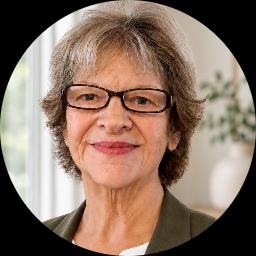
About Barbara
Barbara helps people talk through grief, cope with changing roles, and manage mood concerns. She uses straightforward conversation to identify practical steps a person can try between sessions. Sessions look at current problems and how past patterns affect current relationships.
Her approach draws from client-centered work and cognitive behavioral techniques. That means she listens for what matters most to each person and then tries concrete skills for shifting thoughts and behaviors. Mindfulness and motivational interviewing are added tools when people want to build coping skills and clarify what matters to them.
Barbara has long experience supporting caregivers and people preparing for end-of-life transitions. She helps with communication difficulties, guilt or shame, and the strain that comes from long-term caring. She also works with people dealing with money worries and multicultural concerns in later life.
People can expect calm, direct discussion about practical options. Barbara aims to help clients make small changes that reduce stress and improve daily functioning. To begin, she asks about current concerns and what goals feel most useful.
Areas of expertise
Additional focus areas
Therapeutic approaches
Experience
30+ years
Credentials
South Dakota
Languages
English
Therapeutic approaches and how they translate to online work
Client-centered therapy focuses on listening and reflecting back what matters to the person. It helps people feel heard and clarifies priorities for change. Cognitive Behavioral Therapy, or CBT, looks at how thoughts, feelings, and actions connect and uses practical exercises to change unhelpful patterns. Mindfulness therapy teaches attention and grounding skills that reduce anxiety and improve mood.Finding the best approach is a collaborative process. The therapist will discuss goals and preferences and then try methods that seem to fit. Adjustments are made over time so the work stays focused on what the person wants to change or manage.
Practical benefits of online work include fitting sessions into a busy day and reducing travel time. Online sessions can make it easier to keep regular appointments and use skills in real life between meetings. Confirm the exact session formats before booking since the biography does not list specific options. The emphasis is on making therapy fit into everyday routines rather than on any single delivery method.
Frequently asked questions
What kinds of concerns does she address?
She works with stress, anxiety, grief, depression, coping with life changes, and compassion fatigue. Additional focuses include caregiver stress, aging and geriatric issues, isolation, and end-of-life counseling.
What is her therapeutic style?
Her work combines client-centered listening with practical techniques from cognitive behavioral therapy and mindfulness. She also uses motivational interviewing and psychodynamic ideas when they fit a person’s goals.
How much experience does she have?
She has 30 years of clinical experience working in South Dakota with adults facing long-term and life-stage challenges.
What are her credentials and location?
She holds the LPC-MH credential and is based in South Dakota.
Can I work with her if I live outside the United States?
She does not accept international clients. Sessions are offered in English.
What session formats does she offer?
Please confirm current session options before booking since formats are not specified in the biography.
How does cost and payment work?
Costs vary by location. Sessions use a subscription that can be canceled at any time.
How do I get started with scheduling?
Select the See online therapy options button, complete the short matching questionnaire, and schedule a first session.