- Depression and anxiety
- Aging and geriatric issues
- Attachment focused work
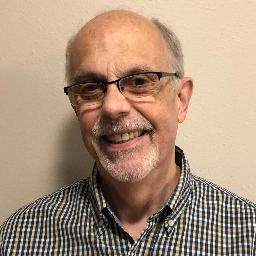
About Anthony
Much of his career has been in community mental health across different settings. He has supported people dealing with grief, addiction, sleep problems, anger, and the stress that comes from major life changes. He also helps those facing hospice and end-of-life concerns and the isolation that can come with later life.
Anthony uses practical, evidence-informed methods in sessions. He draws on cognitive behavioral ideas to look at thoughts and behaviors, attachment-based work to understand relationship patterns, and motivational approaches to support change. Mindfulness and emotionally focused techniques also appear in his work when helpful.
He treats therapy as a two-way process. He listens, offers observations, and suggests alternatives while respecting that the person is in charge of decisions. Sessions aim to strengthen coping skills and everyday resources so people can manage problems more effectively.
Anthony speaks English and works from his Washington licensure. He has long experience with community clients and with people navigating the stresses of caring relationships, family of origin issues, and communication problems. Those interested in working with him are asked to use the site process to begin.
Background and approach notes that he has worked in varied community mental health roles and brings three decades of practice to later-life concerns. His method blends several clinical approaches into straightforward, practical conversation and skill-building to address the issues listed above.
Areas of expertise
Primary focus
Also works with
Additional focus areas
Therapeutic approaches
Experience
30+ years
Credentials
Washington
Languages
English
Therapeutic approaches used in online work
Anthony often uses cognitive behavioral techniques to help people notice and change unhelpful thoughts and behaviors; this can be useful for anxiety, depression, sleep problems, and coping with life transitions. Attachment-based ideas are used to identify patterns in close relationships and to support healthier ways of relating, which can help with intimacy, communication problems, and family of origin issues.Finding the right approach is part of the work. He will discuss goals, preferences, and how symptoms show up to decide which methods to try. That decision is collaborative and can change as therapy progresses.
The original biography does not state specific session formats. Please confirm available session options before booking. In general, online work can make it easier to fit sessions into a busy schedule, allow shorter check-ins when needed, and reduce travel time. Some people prefer phone conversations when video is difficult, while others choose video for face-to-face interaction. The therapist will discuss what will work best for practical needs and therapeutic goals.
Frequently asked questions
What kinds of problems does he help with?
He works with depression, anxiety, trauma, addictions, grief, relationship and intimacy issues, sleeping and anger problems, and many effects of life change including aging and geriatric issues.
What is his therapeutic style?
His style is interactive and client-centered. He listens, offers observations and alternative ways of coping, and supports the client in making their own decisions.
How much experience does he have?
He has 30 years of experience working in the behavioral health field, much of it in community mental health settings.
What are his credentials and location?
He is a Licensed Mental Health Counselor (LMHC) licensed in Washington and practices there.
Does he offer sessions in other languages?
Sessions are offered in English.
Can sessions be held online or by phone?
The original biography does not list session formats. Please confirm current session options before booking.
How much do sessions cost?
Cost varies with location. Sessions use a subscription that can be canceled at any time.
How do I begin working with him?
Use the See online therapy options button, complete the short matching questionnaire, and then schedule a first session.