- Trauma processing
- Relationship work
- Caregiver stress
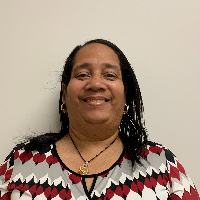
About Angela
Angela has provided psychotherapy and consultation in a range of settings including education and work with first responder populations. She has supported people coping with parenting challenges, career transitions, ADHD, addiction, grief, and caregiver stress. She also works with people who have histories of physical trauma or emotional abuse.
Her style is interactive and client-centered. Sessions focus on talking through current problems, identifying patterns in relationships, and learning practical skills to manage mood and anxiety. Angela draws on cognitive behavioral ideas to change unhelpful thoughts and on attachment-based and emotionally focused ideas to improve connection with others.
She also uses evidence-based trauma-focused methods when appropriate. In sessions she may guide structured exercises to process difficult memories and reduce their impact on day-to-day life. She adapts pacing to each person’s comfort and readiness.
People who contact Angela can expect straightforward conversation about goals and next steps. She often integrates problem-solving, short-term coping tools, and longer-term work on relationship patterns. Practical concerns like caregiver stress and end-of-life topics are part of her experience and focus.
Areas of expertise
Primary focus
Also works with
Additional focus areas
Therapeutic approaches
Experience
10+ years
Credentials
Missouri, Kansas, Illinois
Languages
English
How therapeutic approaches are used in online sessions
Attachment-Based Therapy focuses on patterns in close relationships and how early bonds affect current trust and closeness. Online work can look at communication habits and teach ways to feel more connected to loved ones.Cognitive Behavioral Therapy (CBT) helps people identify unhelpful thoughts and test them with practical exercises. In remote sessions this often involves short between-session tasks, logging thoughts, and practicing new behavioral steps in daily life.
EMDR is a trauma-focused approach that supports processing distressing memories. When appropriate, EMDR techniques can be adapted for a paced, structured format that addresses the impact of past events on current functioning.
Choosing the right approach is part of the work. The therapist and client review goals, preferences, and what has or hasn't helped before. They then agree on methods and adjust them as progress is made, keeping the process collaborative.
Online sessions can make it easier to fit therapy into a busy day. They can reduce travel time, allow a shorter check-in during a work break, or let someone continue care while living in another region. Confirm the specific session options before booking so you know what formats are available for scheduling.
Frequently asked questions
What kinds of problems does she address?
She works with stress, anxiety, depression, addiction, relationship problems, trauma and abuse, parenting concerns, grief, ADHD, and aging and geriatric issues.
What is her therapy style like?
Her approach is interactive and client-centered. She combines cognitive behavioral, attachment-based, and emotionally focused ideas to address feelings and relationship patterns.
How long has she been practicing?
She has practiced as a psychotherapist and consultant for ten years and has experience in education and with first responder issues.
What are her credentials and where is she located?
She holds LCSW and LSCSW credentials and is licensed in Illinois, Kansas, and Missouri. Her primary practice region is Missouri.
Does she provide sessions in other languages?
Sessions are offered in English.
Can people outside the United States work with her?
She accepts international clients. Confirm any region-specific details when you arrange sessions.
How are sessions paid for and what does it cost?
Cost varies with location. Sessions use a subscription that can be canceled at any time.
How do I begin working with her?
Begin by selecting the See online therapy options button, completing a short matching questionnaire, and scheduling a first session.