- Stress and anxiety
- Relationship concerns
- Mindfulness and CBT
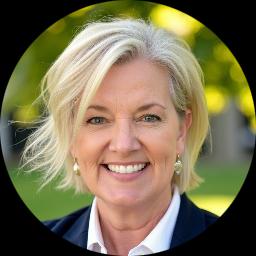
About Tina
Clients can expect straightforward conversations that focus on practical steps. Tina draws on client-centered methods to listen and understand each person's priorities. She also uses cognitive behavioral tools to identify unhelpful thinking and try small, testable changes.
Her approach includes mindfulness practices to reduce reactivity and narrative techniques that help people reframe their stories. Motivational interviewing is used when someone wants to find internal motivation for change. Sessions are aimed at clear concerns like handling divorce, coping with isolation, or managing work and retirement transitions.
Tina treats concerns such as abandonment, codependency, communication problems, control issues, dependent personality patterns, and blended family challenges. She also addresses feelings of guilt, shame, emptiness, jealousy, and the fallout from infidelity. Practical problem solving is paired with attention to emotions.
Her background gives particular experience supporting people through family problems, forgiveness work, and career crossroads. She encourages small steps that fit into daily life and evaluates progress as therapy moves forward.
Areas of expertise
Primary focus
Additional focus areas
Therapeutic approaches
Experience
18+ years
Credentials
Michigan
Languages
English
How her approaches translate to online sessions
Tina commonly uses client-centered work and cognitive behavioral therapy in her practice. Client-centered therapy focuses on listening closely to what matters to the person and adapting sessions to their goals, which helps with emotional support during life changes. Cognitive behavioral therapy looks at patterns of thinking and behavior, then tests small changes to reduce anxiety or improve problem solving.She also uses mindfulness techniques to help reduce reactivity and build steady routines. Mindfulness practice often involves short, guided exercises and learning to notice thoughts without immediately acting on them. Together these approaches can address stress, relationship strain, and coping with transitions in later life.
Finding the right approach is part of the work. The therapist will discuss goals, preferences, and what has or hasn’t helped in the past, and then try methods that fit the individual. Decisions about methods are made collaboratively and can shift as progress is reviewed.
The original biography does not list specific online formats, so confirm the available session types before booking. Online sessions can make it easier to fit counseling into busy days, allow shorter check-ins when needed, and reduce travel time for people helping a partner or managing appointments.
Frequently asked questions
What kinds of concerns does she help with?
She works with stress, anxiety, relationship and self-esteem problems, career issues, and coping with life changes including aging and geriatric concerns.
How would you describe her therapy style?
Her style is practical and client-centered, combining active listening with tools from cognitive behavioral therapy, mindfulness, narrative work, and motivational interviewing.
How much clinical experience does she have?
She has 18 years of experience as a counselor working with adult clients on life transitions and emotional concerns.
What are her credentials and where is she based?
She holds the LPC credential and practices in Michigan.
Are sessions offered in other languages or to international clients?
Sessions are offered in English and she is not accepting international clients.
What session formats are available?
The original biography does not specify session formats; please confirm the current session options before booking.
How much do sessions cost?
Cost varies by location and sessions use a subscription that can be canceled at any time.
How do I begin working with her?
Start by selecting the See online therapy options button, complete a short matching questionnaire, and schedule a first session.