- CBT approaches
- Solution-focused work
- Motivational interviewing
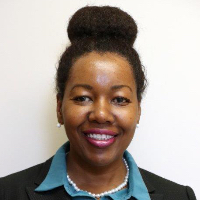
About Tamara
She uses straightforward, practical methods in sessions. That often means talking through current problems, identifying patterns that keep problems going, and testing small changes to see what helps. She draws on cognitive behavioral therapy to look at thoughts and behaviors, solution-focused ideas to set short-term goals, and client-centered conversation to reflect what is important to the person in front of her.
Dr. Woods also uses motivational interviewing when people feel stuck about change. That approach aims to build the motivation to try new steps and reduce resistance to change. In later-life concerns she attends to caregiving stress, loneliness, life transitions such as retirement, and relationship shifts that come with aging.
Her style is collaborative and practical. She helps people outline clear goals and track progress in ways that fit their daily life. People considering a first session are encouraged to use the site tools to match and schedule a meeting.
Dr. Woods holds LCSW and CSW credentials and works in North Carolina. Sessions are carried out in English and she does not accept international clients at this time.
Areas of expertise
Primary focus
Also works with
Additional focus areas
Therapeutic approaches
Experience
14+ years
Credentials
Georgia, North Carolina
Languages
English
How her approaches translate to online work
Attachment-based work focuses on patterns in close relationships and on how early experiences shape current responses. Online sessions can explore relationship patterns and teach different ways of connecting and responding in partnerships and caregiver roles.Client-centered therapy centers the person's own goals and perspectives. In remote sessions this means Dr. Woods listens, reflects what matters most, and helps clarify the next steps a person wants to try. Cognitive behavioral therapy (CBT) looks at thoughts and behaviors and tests small changes. CBT techniques can be introduced in a session and practiced between meetings to address anxiety, depression, or coping with life changes.
Finding the right approach is part of the work together. She will discuss which methods match the client's needs, goals, and preferences, and adapt the plan as sessions progress. That collaborative decision helps keep work practical and focused on what the client wants to change.
Session formats are not specified in the biography, so confirm current options before booking. Online work can make it easier to fit meetings into busy days, permit shorter check-ins when needed, and allow sessions without travel time. Many people find that remote sessions make regular contact easier while still allowing active, goal-focused therapeutic work.
Frequently asked questions
What kinds of issues does she help with?
She works with stress, anxiety, depression, grief, relationship and intimacy issues, bipolar disorder, addictions, caregiver stress, and matters related to aging and geriatric issues.
What is her therapeutic style?
She uses practical, goal-oriented methods including cognitive behavioral therapy, solution-focused techniques, client-centered conversation, and motivational interviewing.
How much clinical experience does she have?
She has 14 years as a licensed clinical social worker and more than 20 years working with family-related situations in practice.
What are her credentials and where is she based?
She holds LCSW and CSW credentials and practices in North Carolina under NC LCSW and GA LCSW listings as noted.
Which languages are supported during sessions?
Sessions are offered in English.
Can I work with her from outside the United States?
International clients are not currently accepted.
How much do sessions cost?
Cost varies with location; sessions use a subscription that can be canceled at any time.
How do I get started with a first appointment?
Select the See online therapy options button, complete the short matching questionnaire, and schedule a first session through the site.