- Stress and anxiety
- Grief and loss
- CBT and motivational work
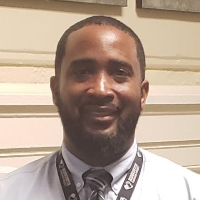
About Sherron
Sherron uses straightforward, conversational therapy. He leans on client-centered work to listen and understand what matters most to the person sitting across from him. He uses cognitive behavioral techniques to identify patterns of thinking and behavior that cause distress, and he draws on motivational interviewing to help people find reasons to change.
Sessions focus on clear steps people can try between meetings. He offers tools for managing strong emotion, practical communication skills, and approaches for coping with loss and long-term health changes. The work aims to reduce daily stress and improve how someone handles difficult relationships and caregiving roles.
Before moving into private practice he worked in settings that included individual, couples, and family work. His experience covers crisis response and problem-focused work alongside longer-term therapy. Sherron holds the credentials LCSW and CSW and practices in Georgia.
People who contact him can expect direct conversation about goals and simple strategies to try. He asks about current pressures, support at home, and what a reasonable next step would look like. If scheduling is a concern, readers should confirm session formats and times when they begin the intake process.
Areas of expertise
Primary focus
Also works with
Additional focus areas
Therapeutic approaches
Experience
8+ years
Credentials
Georgia
Languages
English
How his approaches translate to online work
Client-centered therapy focuses on listening and understanding a person's priorities. Online sessions using this approach let the therapist and client set goals together and adjust pace based on what the client needs. Cognitive Behavioral Therapy, or CBT, looks at the thoughts and behaviors that keep problems going. In remote sessions CBT can include setting specific tasks, tracking mood and testing small behavior changes between meetings. Dialectical Behavior Therapy, DBT, provides practical skills for emotion regulation and distress tolerance and can be helpful for strong mood swings, relationship conflict, and impulse concerns.Choosing the right approach is a collaborative process. Sherron will discuss goals, preferences, and what has or has not helped before to decide which methods to emphasize. That plan can change as work progresses so the approach fits the person's situation and aims.
Session formats are not listed in the biography, so confirm current options when you start the intake. Once formats are confirmed, online work can make it easier to fit meetings around doctor appointments, caregiving duties, or limited travel. It can also allow shorter check-ins when a quick update is enough, and it removes the need to commute to an office. Talk with him during the matching process to plan sessions that match scheduling and daily responsibilities.
Frequently asked questions
What concerns does he address related to later life?
He works with aging and geriatric issues alongside caregiver stress, grief, chronic illness and family problems that often arise in later life.
How would you describe his therapeutic style?
He practices client-centered work with practical techniques from CBT and motivational interviewing to set concrete goals and steps between sessions.
How much clinical experience does he have?
He has eight years of clinical experience working with individuals, couples, and families in a range of settings.
What are his professional credentials and location?
He holds LCSW and CSW credentials and practices in Georgia.
Which languages are supported for sessions?
Sessions are offered in English.
Can I work with him from outside the United States?
He is not currently accepting international clients.
How are fees and payments handled?
Cost varies with location; sessions use a subscription that can be canceled at any time.
What should I do to get started?
Select the See online therapy options button, complete a short matching questionnaire, and schedule a first session.