- Acceptance and Commitment Therapy
- Cognitive Behavioral Therapy
- Mindfulness techniques
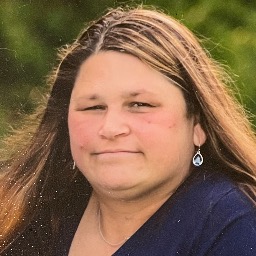
About Rachel
Her style centers on client-centered care. Sessions are practical and conversational. She draws on cognitive behavioral techniques, acceptance and commitment strategies, mindfulness, and motivational interviewing to help people notice patterns and try new behaviors.
In therapy Rachel helps people set clear, achievable goals. She uses exercises and real-world practice to address symptoms like low mood, worry, or trouble with relationships. She also assists people facing major life transitions such as divorce, retirement shifts, or the stresses of caregiving.
Her background includes nearly two decades supporting adults through grief, hospice and end-of-life planning, and blended family dynamics. Rachel brings experience working with substance use concerns and workplace-related stress alongside mood and anxiety disorders.
Sessions focus on what the person wants to change next. Rachel helps identify practical steps, develops coping strategies, and reviews progress over time. People who are navigating later-life choices, caring roles, or medical transitions can expect straightforward, skills-oriented work aimed at everyday improvements.
Areas of expertise
Primary focus
Also works with
Additional focus areas
Therapeutic approaches
Experience
17+ years
Credentials
Connecticut
Languages
English
How her therapeutic approaches work online
Acceptance and Commitment Therapy, or ACT, helps people clarify personal values and take small steps toward them while learning to live with uncomfortable thoughts and feelings. It can help with anxiety, depression, grief, and life changes by focusing on meaningful action rather than symptom elimination.Cognitive Behavioral Therapy, or CBT, looks at links between thoughts, feelings, and behaviors. It uses practical exercises and experiments to change unhelpful thinking and build coping skills for issues like worry, low mood, and relationship patterns.
Rachel draws on these methods along with client-centered conversation and mindfulness practices. Deciding which approach to use is a collaborative process. The therapist and client review goals, try techniques, and adjust the plan based on what proves most helpful.
Session formats are not specified in the original biography, so confirm current online session options before booking. Many people find remote sessions easier to fit into a day, allow shorter check-ins when needed, or reduce travel time. Rachel’s clinical approaches translate to remote work through focused skill practice, guided exercises, and conversational problem solving to support everyday functioning.
Frequently asked questions
What concerns does she address?
She works with stress, anxiety, depression, grief, relationship and family issues, parenting challenges, mood disorders and aging and geriatric issues.
How would you describe her therapeutic style?
Her approach is client-centered and practical, combining talk therapy with exercises and real-world practice to help people reach specific goals.
How much experience does she have?
She is a Licensed Clinical Social Worker with 17 years of clinical experience working with adults and caregiving concerns.
Where is she licensed and based?
She holds an LCSW credential licensed in Connecticut and practices from that state.
Which languages are supported?
Sessions are offered in English.
Can international clients work with her?
She does not accept international clients at this time.
How are sessions paid for?
Cost varies with location; sessions use a subscription that can be canceled at any time.
What do I do to begin sessions?
Click the See online therapy options button, complete a short matching questionnaire, and then schedule your first session.