- Addictions
- Trauma recovery
- Grief and loss
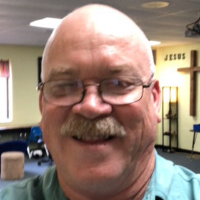
About Philip
Philip uses practical therapy methods to help people manage symptoms and make decisions. Sessions typically focus on understanding what led to current struggles, learning skills to cope, and trying different ways to approach relationships and daily routines. He draws on approaches such as cognitive behavioral techniques and attachment-focused work.
His background includes work with veterans and first responders, and with people handling loss and major transitions. That experience informs how he supports someone adjusting to changes in health, role, or family life. He also assists those coping with addiction and trauma-related symptoms.
In sessions he listens for patterns in relationships and thinking that keep problems going. He then helps people test small changes and build practical coping tools. Mindfulness strategies and EMDR-informed methods are among the options he may use when appropriate.
People who contact him will be asked about current concerns, goals, and past history so a clear plan can be made. Those seeking help for stress, grief, caregiving strain, or aging-related transitions can expect straightforward assessments and step-by-step work toward manageable goals.
Areas of expertise
Primary focus
Also works with
Additional focus areas
Therapeutic approaches
Experience
4+ years
Credentials
Tennessee
Languages
English
Therapeutic approaches and remote sessions
Philip draws on cognitive behavioral therapy to help people identify unhelpful thinking and test new behaviors. CBT often focuses on concrete skills for managing anxiety, depression, and stress related to life changes.He also uses attachment-based work to look at relationship patterns that affect how people cope with loss, caregiving roles, and intimacy-related concerns. That approach helps people notice repeating dynamics and try different ways of relating.
Finding the right approach is part of the work. Philip will discuss goals and past experiences and then suggest approaches that fit a person’s needs and preferences. He treats this as a collaborative process and adjusts methods as progress is made.
Confirm the exact online session formats before booking so you know what is offered for scheduling. Online work can make it easier to fit therapy into busy days, reduce travel time, or allow a shorter check-in when that suits the schedule. Licensed professionals can use online sessions to continue skills practice, work through grief or trauma processing, and support coping during health or role changes.
Frequently asked questions
What kinds of problems does he help with?
He works with addiction, trauma, anxiety, depression, grief, and aging and geriatric issues among other concerns. The list also includes relationship and attachment problems.
How would you describe his therapy style?
He uses practical, evidence-informed approaches like cognitive behavioral work, attachment-based techniques, and mindfulness. Therapy focuses on skills, patterns in relationships, and small changes that can be tried between sessions.
What is his professional background?
He has four years of clinical experience and has worked with veterans and first responders as well as people dealing with grief and major life transitions.
Where is he licensed and practicing?
He is a Licensed Professional Counselor (LPC) practicing in Tennessee.
Does he offer sessions in other languages?
Sessions are offered in English only.
What session formats are available?
Confirm current session options before booking so you know which formats are offered for scheduling and appointments.
How are fees handled?
Cost varies with location and sessions use a subscription that can be canceled at any time.
How do I begin working with him?
Select the See online therapy options button, complete a short matching questionnaire, and schedule a first session.