- Addictions support
- Relationship issues
- Trauma and abuse
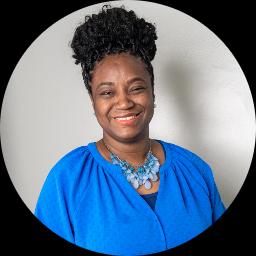
About Nekeisha
She focuses on practical support for stressful life changes and tough conversations. That includes work on family problems, communication breakdowns, codependency, commitment concerns, and struggles linked to aging and geriatric issues. She also assists people facing substance use concerns and the emotional fallout that can follow.
In sessions she aims to make it possible to speak openly about hard feelings. She listens, reflects, and works with clients to identify small steps that can reduce distress. Conversations can include examining patterns in relationships, coping strategies for mood and anxiety symptoms, and ways to manage urges related to substance use.
Her background includes several years helping people affected by trauma, domestic violence, and abandonment wounds. She offers direct, straightforward support for grief and complex mood shifts, including bipolar and disruptive mood dysregulation concerns.
People who choose her often want clear, practical options to try between sessions. She asks questions, suggests actions to practice, and reviews progress together. To begin, clients complete a short questionnaire and schedule a first session to see how the work fits their needs.
Areas of expertise
Primary focus
Also works with
Additional focus areas
Experience
6+ years
Credentials
Connecticut
Languages
English
How evidence-based approaches translate to online care
This practice draws on evidence-based therapeutic techniques that focus on helping people change patterns and manage symptoms. One common method used is cognitive-behavioral work, which helps identify unhelpful thoughts and actions and replace them with more effective habits to reduce anxiety and depression. Another frequently used approach is skills-based work for coping with cravings or distress, which teaches concrete strategies to manage urges and regulate mood.Choosing the right approach is part of the early work in therapy. The therapist will collaborate with each person to decide which methods fit their needs, goals, and preferences. That means trying an approach, reviewing how it feels, and adjusting the plan together as needed.
Confirm current session options before booking, as formats are not listed in the biography. In general, online sessions can make it easier to fit therapy into a busy day, allow shorter check-ins when needed, and reduce travel time. They can also let someone have a session without needing to be on camera if that helps them focus. Ask about the available formats when scheduling to pick the best practical option for your circumstances.
Frequently asked questions
What concerns does she address related to later life?
She lists aging and geriatric issues among her additional focus areas and works with concerns like grief, family problems, and changing roles as people age.
What is her approach in sessions?
She uses evidence-based therapeutic techniques and focuses on practical steps. Sessions involve talking through feelings, identifying patterns, and trying small actions between meetings.
How much clinical experience does she have?
She has six years of professional work experience as a counselor in Connecticut.
What are her credentials and where does she practice?
She is a Licensed Professional Counselor (LPC) licensed in Connecticut and practices in that state.
Which languages are supported for sessions?
Sessions are offered in English.
Can international clients work with her?
She does not accept international clients at this time.
How are sessions arranged and what does it cost?
Cost varies with location and sessions use a subscription that can be canceled at any time.
How do I begin working with her?
Start by selecting the See online therapy options button, complete the short matching questionnaire, and schedule a first session.