- Stress and anxiety
- Grief and loss
- Caregiver issues
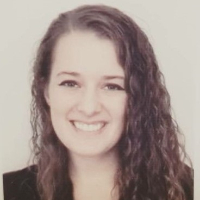
About Morgan
Morgan draws on practical, evidence-informed approaches in sessions. She uses client-centered methods to build rapport and understand each person’s priorities. Cognitive Behavioral Therapy, Dialectical Behavior Therapy, and EMDR are among the tools she may use to address symptoms and painful memories.
Sessions often include problem-focused work such as identifying unhelpful thinking patterns and trying alternative behaviors. When trauma is present, Morgan may introduce EMDR to help reduce the intensity of distressing memories. She also uses motivational interviewing techniques for people who want support with making changes and sticking to goals.
Her background includes work in hospice and end-of-life care, so she has experience with grief, loss, and the stresses that come with serious illness. Morgan also lists caregiving and aging-related concerns among her focus areas, so she can support adults who are managing health changes in themselves or a loved one.
Morgan approaches sessions with cultural sensitivity and respect. People who choose to work with her complete an initial matching process and then schedule a first appointment to begin practical, task-oriented work toward the goals they set together.
Areas of expertise
Primary focus
Also works with
Additional focus areas
Therapeutic approaches
Experience
8+ years
Credentials
Tennessee
Languages
English
How Morgan applies therapy methods online
Morgan commonly uses Client-Centered Therapy and Cognitive Behavioral Therapy in her work. Client-Centered Therapy focuses on listening, clarifying what matters to the person, and building a collaborative plan. Cognitive Behavioral Therapy looks at the links between thoughts, feelings, and actions and uses practical exercises to change unhelpful patterns.She also draws on Dialectical Behavior Therapy when people need skills for emotional regulation and interpersonal effectiveness. DBT teaches concrete skills for managing intense emotions, reducing conflict, and improving coping during stressful times.
Choosing the right approach is a collaborative process. Morgan will talk with each person about their goals, preferences, and day-to-day limits, then suggest methods that fit those needs. Together they review what is working and adjust the plan as needed.
Confirm the exact session formats available before booking, since the biography does not list specific formats. Online work can make it easier to fit sessions around appointments, caregiving duties, or medical visits. It can also allow shorter check-ins when a quick follow-up is helpful and reduce travel time for people managing health or mobility concerns.
Frequently asked questions
What kinds of problems does she address?
She works with stress, anxiety, depression, grief, relationship difficulties, trauma and abuse, eating concerns, caregiver issues, and aging and geriatric issues among others.
What is her therapy style like?
Her style is client-centered and interactive, using practical techniques to address thinking patterns and behaviors. She also integrates trauma-focused work when needed.
How many years has she practiced?
Morgan has eight years of clinical experience working in settings that include hospice and end-of-life care.
What credentials does she hold and where is she based?
She is a Licensed Clinical Social Worker (LCSW) licensed in Tennessee and practices from that state.
Are sessions offered in other languages or internationally?
Sessions are offered in English and she accepts international clients.
What session formats are available?
Confirm current session options before booking, as the biography does not list specific formats. Please check the booking flow for the formats offered at the time you schedule.
How are fees handled?
Cost varies with location, and sessions use a subscription that can be canceled at any time.
How do I begin working with her?
Select the See online therapy options button, complete a short matching questionnaire, and schedule your first session.