- Stress and anxiety
- Grief and loss
- CBT and DBT skills
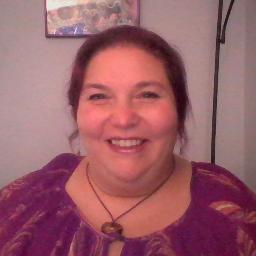
About Michelle
Her background includes long-term work in jail-based settings where she led Dialectical Behavior Therapy groups and provided individual sessions. She often combines practical techniques like mindfulness, relaxation training, and emotion regulation with cognitive-behavioral strategies. Michelle describes her approach as adaptable to what a person needs over time.
Sessions may focus on short-term, solution-oriented work or on longer support, depending on goals. She uses skills such as distress tolerance, interpersonal effectiveness, and cognitive skills building. Michelle also uses reminiscence and narrative techniques when helpful for people processing life transitions or grief.
She has experience working with people impacted by intellectual and developmental disabilities, traumatic brain injury, hospice and end-of-life care, and caregiver burnout. Her practice includes attention to issues affecting LGBTQ+ and BIPOC clients, and to first-responder related stress.
Michelle includes psychoeducation and role-play tools when useful, and can teach practical skills for sleeping, managing guilt and shame, or coping with chronic pain. To begin, readers should follow the site's process to complete a short questionnaire and arrange a first session.
Areas of expertise
Primary focus
Also works with
Additional focus areas
Therapeutic approaches
Experience
10+ years
Credentials
New York
Languages
English
How her approaches translate to online work
Attachment-based work focuses on how people connect and respond in relationships. It helps with grief, caregiver strain, and relationship problems by looking at patterns in how people relate and respond to loss.Client-centered therapy centers on the person’s needs and priorities. The therapist listens, reflects, and helps people name their goals so practical steps can follow. Cognitive Behavioral Therapy (CBT) looks at thoughts and behaviors together and teaches concrete tools for anxiety, depression, sleeping problems, and coping with life changes.
Choosing the right approach is part of the first few sessions. Michelle will collaborate with each person to identify which methods fit their goals and preferences. That may mean starting with short-term skills work and shifting to longer conversations as needs change.
Session formats are not listed in the biography, so confirm the current options before booking. Online work can make it easier to fit appointments into a weekday, reduce travel time, and allow for shorter check-ins when schedules are tight. It can also let people use audio-only if bandwidth is limited or they prefer not to be on camera. Licensed professionals commonly adapt exercises like mindfulness, emotion regulation, and role-play for remote sessions to keep progress moving forward.
Frequently asked questions
What concerns does she address related to later life?
She works with aging and geriatric issues alongside caregiver stress, hospice and end-of-life counseling, and adapting to life changes.
What is her general therapeutic style?
Michelle uses an adaptive, client-centered approach and mixes practical techniques such as mindfulness, emotion regulation, and cognitive-behavioral strategies.
How much clinical experience does she have?
She has ten years of experience and has spent many years running DBT-based groups and individual therapy in jail-based settings.
Where is she licensed and based?
Michelle is a Licensed Clinical Social Worker (LCSW) in New York and practices out of New York.
In which languages can sessions be held?
Sessions are offered in English.
Can I have sessions remotely or internationally?
International clients are not currently accepted; please confirm current session format options before booking.
How is cost handled for sessions?
Cost varies with location and sessions use a subscription model that can be canceled at any time.
How do I get started with her practice?
Choose the See online therapy options button, complete a short matching questionnaire, and schedule a first session.