- CBT methods
- Client-centered care
- Gottman approach
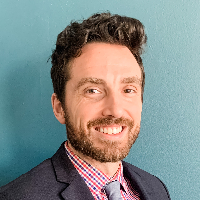
About Michael
He draws on several established approaches in sessions, including Client-Centered Therapy, Cognitive Behavioral Therapy (CBT), Existential Therapy, and the Gottman Method when relationship work is needed. Sessions focus on clear goals, practical strategies, and honest conversation. Michael aims to identify patterns that keep problems repeating and then test new ways of responding.
Over his career he has worked in a range of clinical settings and has experience with mood disorders, trauma, bipolar conditions, and complex presentations involving attachment or abandonment issues. He also supports people dealing with caregiver stress, body image concerns, intimacy-related matters, and challenges tied to parenting or career changes.
In addition to clinical work, he serves as a Scientific Solutions Director, which keeps him current with assessment tools and evidence-informed practices. He has provided telehealth for more than five years and works with people from different locations, including international clients. People who prefer a collaborative, problem-solving approach find his style direct and practical.
To begin, readers are encouraged to use the site matching process to request a first session and note any specific concerns like aging-related decisions, caregiving strain, or grief. Michael helps people set achievable steps and reassess progress as work continues.
Areas of expertise
Primary focus
Also works with
Additional focus areas
Therapeutic approaches
Experience
15+ years
Credentials
Pennsylvania, Florida
Languages
English
How Michael uses therapy approaches online
Client-Centered Therapy focuses on listening and reflecting what matters to the person in front of him. It helps with building trust, sorting priorities, and deciding what to tackle first. Cognitive Behavioral Therapy (CBT) looks at how thoughts and behaviors keep problems going and teaches practical skills to change them; it is often used for anxiety, depression, and coping with life changes. The Gottman Method provides structured tools for improving communication and solving relationship conflicts when that work is needed.Choosing the right approach is part of the work together. Michael will discuss goals and preferences and recommend methods that match the situation. That choice is reviewed as progress is made so the plan can shift if something isn’t working.
The biography notes he has offered telehealth for over five years. Confirm the current session formats before booking to make sure they fit your needs. Online sessions can make it easier to fit appointments into a busy week, allow shorter check-ins when needed, and remove travel time for caregivers or people living farther away. Therapists can also combine skill practice, worksheets, and conversational check-ins in virtual sessions to keep progress practical and measurable.
Frequently asked questions
What concerns does he address?
He works with depression, anxiety, trauma, relationship problems, grief, caregiving stress, and aging and geriatric issues among other concerns.
What is his therapeutic style?
He uses a collaborative, client-centered approach and combines practical strategies with conversational reflection.
How much clinical experience does he have?
He has 15 years of experience in a variety of clinical settings and roles.
What credentials and where does he practice?
He holds LMHC and LPC credentials and practices in Pennsylvania.
Which languages are supported and can he work across borders?
Sessions are offered in English and he accepts international clients.
What session formats are available?
The biography notes he has provided telehealth for more than five years. Confirm current session options before booking.
How are fees handled?
Cost varies with location and sessions use a subscription that can be canceled at any time.
How do I get started?
Select the See online therapy options button, complete the short matching questionnaire, and schedule a first session.