- Grief and end-of-life counseling
- Chronic illness support
- Isolation and loneliness
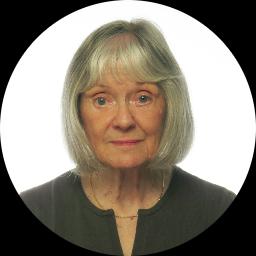
About Maryann
Kenney helps people unpack what feels overwhelming and find manageable steps forward. She offers practical strategies for coping with chronic illness, cancer, and ongoing pain. She also supports people dealing with attachment difficulties, abandonment, and dissociation after traumatic experiences.
Her practice includes listening to concerns about work and life purpose, including the pressures of journalism and related professions. She helps with communication problems and dependent personality tendencies that affect relationships. She also works with first responder issues and people affected by natural or human-caused disasters.
Maryann draws on evidence-based therapeutic techniques to guide sessions. The goal is clearer emotional regulation, better coping skills, and improved communication. She approaches sessions in a collaborative way, helping clients identify what is most helpful for them now.
Maryann accepts clients in English and can work with international clients. Her practice is rooted in long experience in New York and a focus on later-life concerns, grief, and chronic health challenges.
Areas of expertise
Primary focus
Additional focus areas
Experience
25+ years
Credentials
New York
Languages
English
Approaches used and how online work is handled
Maryann uses evidence-based therapeutic techniques to guide her work. Two common approaches she draws on are short-term skills work and trauma-informed care. Short-term skills work teaches practical tools for managing anxiety, depression, and stress such as breathing, grounding, and behavioral adjustments that can be practiced between sessions. Trauma-informed care focuses on recognizing the effects of trauma and creating steadier regulation and safety in the here-and-now; it can help when processing losses, abuse, or dissociative experiences.Choosing the right approach is part of the work. She collaborates with clients to match methods to their goals and preferences, adjusting as progress is made. That means discussing what feels most useful and trying options that fit the person rather than relying on a single fixed method.
The original biography does not specify which online formats she uses. Please confirm current session options before booking. Online sessions can make it easier to fit therapy into a busy day, reduce travel time, and support quicker check-ins between in-person appointments. Telephone sessions may use less bandwidth and work better when a shorter update is needed, while video sessions allow for face-to-face interaction when that is helpful. Licensed professionals, including therapists, can work with people across time zones, which is useful for international clients.
Frequently asked questions
Which concerns does she address?
She works with depression, anxiety, relationship problems, trauma and abuse, grief, and stress. Additional focuses include aging and geriatric issues, chronic illness, hospice and end-of-life counseling, and loneliness.
What is her therapeutic style?
She uses evidence-based therapeutic techniques in a collaborative way and focuses on practical coping strategies and emotional regulation. Sessions aim to identify helpful steps and tools for daily life.
How much experience does she have?
She has 25 years of clinical experience working with a wide range of adult concerns, including work-related stress and later-life issues.
What are her credentials and location?
She is a Licensed Clinical Social Worker (LCSW) holding a New York LCSW and practices from New York.
Does she work in other languages or countries?
Sessions are offered in English and she accepts international clients.
What session formats are offered?
The original biography does not list specific session formats. Please confirm current session options before booking.
How does pricing work?
Cost varies with location and sessions use a subscription that can be canceled at any time.
How do I begin working with her?
Select the See online therapy options button, complete the short matching questionnaire, and schedule a first session.