- Trauma informed care
- Addictions support
- Aging and geriatric issues
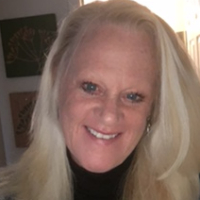
About Mary
She uses straightforward talk and education to help people understand what they are facing. She explains how trauma affects the body and mind and brings in techniques that fit the person’s needs. Sessions often include practical skills for managing anxiety, mood, and substance-related behaviors.
Her way of working blends client-centered listening with cognitive behavioral techniques and mindfulness practices. She also draws on dialectical behavior therapy and Jungian ideas when these approaches seem helpful. The result is a mix of clear explanation, skill-building, and attention to personal meaning.
Mary has spent decades in varied clinical settings and with diverse populations. That background informs how she approaches complex problems like co-occurring mental health and addiction issues. She notes experience supporting veterans, first responders, law enforcement, and their families around trauma-related concerns.
People who choose her can expect a focus on learning about their difficulties and building practical tools. She asks questions, offers concrete strategies, and follows the person’s pace in sessions. Prospective clients in Colorado are invited to reach out to discuss next steps.
Areas of expertise
Primary focus
Also works with
Additional focus areas
Therapeutic approaches
Experience
45+ years
Credentials
Colorado
Languages
English
How her approaches inform online work
Mary combines client-centered methods with cognitive behavioral therapy (CBT) and mindfulness in ways that translate well to remote sessions. Client-centered work means listening closely and using the client’s goals to guide each meeting. CBT focuses on clear steps to change unhelpful thoughts and behaviors and works well for anxiety, depression, and some addiction-related patterns. Mindfulness practices teach simple attentional skills that can reduce stress and help with emotion regulation.Choosing an approach is collaborative. She will talk with the person about their goals and try different strategies to see what fits. Adjustments happen over the first few sessions so the plan matches the client’s needs and preferences.
The biography does not list specific session formats, so confirm the current online options before booking. Online sessions can make it easier to fit therapy into a busy day, allow shorter check-ins when needed, and remove travel time. They also let people use techniques learned in session in their everyday setting, which can speed skill practice and follow-through. Licensed professionals can work with these methods remotely, and the therapist will help decide how best to adapt sessions to the person’s life.
Frequently asked questions
What kinds of concerns does she address?
Mary works with stress, anxiety, addictions, trauma and abuse, depression, ADHD, relationship and family issues, grief, anger, self-esteem, career questions, bipolar disorder, and coping with life changes among other concerns.
How would you describe her therapeutic approach?
Her approach combines client-centered listening with cognitive behavioral techniques, dialectical behavior therapy, mindfulness, and elements of Jungian therapy to teach practical skills and understanding.
How much experience does she have?
She has 45 years of clinical experience working in a variety of settings and with diverse populations.
What are her credentials and where does she practice?
She is a Licensed Professional Counselor (LPC) practicing in Colorado.
Are sessions offered in other languages or internationally?
Sessions are offered in English and she is not accepting international clients at this time.
What session formats are available?
Session formats are not specified in the biography; please confirm current session options before booking.
How does payment work and what does it cost?
Cost varies with location and sessions use a subscription that can be canceled at any time.
How do I begin if I want to work with her?
Start by selecting the See online therapy options button, complete a short matching questionnaire, and schedule a first session.