- Stress and anxiety
- Grief and loss
- CBT and mindfulness
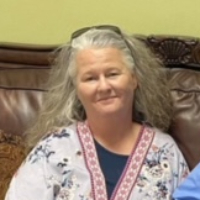
About Lora
Her approach is practical and person-focused. She listens without judgment and uses straight talk when needed. Sessions emphasize clear steps you can try between meetings, not only conversation. Lora draws on several approaches to match a person’s needs rather than using a single method.
She has worked in inpatient psychiatric care, long-term residential settings, outpatient programs, in-home care, and community support services. That variety informs how she plans care for people who are adjusting to health changes, retirement, caregiving roles, or losses later in life.
Examples of methods she uses include Client-Centered Therapy, Cognitive Behavioral Therapy (CBT), Emotionally-Focused Therapy (EFT), Jungian ideas, and Mindfulness Therapy. These are applied in ways that fit what each person brings to sessions. Lora also uses motivational interviewing and solution-focused techniques when useful.
People who choose to work with her can expect a respectful, down-to-earth style with some humor when appropriate. She encourages people to try practical strategies and then reviews what helps. To begin, complete the short matching questionnaire and schedule a first session using the online therapy options button.
Areas of expertise
Primary focus
Also works with
Additional focus areas
Therapeutic approaches
Experience
13+ years
Credentials
Texas
Languages
English
Therapeutic approaches and how they work online
Client-Centered Therapy focuses on the person’s own goals and strengthens their ability to make choices. It’s about being heard and using that understanding to plan what comes next. Cognitive Behavioral Therapy (CBT) looks at how thoughts, feelings, and actions connect and offers small, practical exercises to change patterns that cause distress. Emotionally-Focused Therapy (EFT) helps people notice and name difficult emotions, then use that awareness to change how they relate to themselves and others.Choosing the right approach is part of the work. The therapist will talk with the client about needs, goals, and preferences and then try methods that seem most useful. That process is collaborative and can change over time as progress is reviewed.
The biography does not list specific session formats, so confirm current options before booking. Online work can make it easier to fit therapy into daily life - it can remove travel time, allow shorter check-ins during a busy day, or let someone avoid being on camera when that feels tiring. These practical benefits help many people continue regular sessions while balancing appointments, caregiving, or health needs.
Frequently asked questions
What kinds of concerns does she help with?
She supports people with stress, anxiety, depression, trauma and abuse, grief, caregiving strain, and issues related to aging and geriatric concerns, among other topics listed in her profile.
How would you describe her therapy style?
Her style is down-to-earth and nonjudgmental. She listens, suggests practical steps, and uses clear, direct conversation when needed.
How much clinical experience does she have?
She has practiced as a mental health professional for 13 years across inpatient, residential, outpatient, in-home, and community settings.
What are her credentials and where is she based?
She is a Licensed Professional Counselor (LPC) licensed in Texas and practices from that state.
Are sessions offered in other languages or to international clients?
Sessions are offered in English and she accepts international clients.
What formats are available for sessions?
The original biography does not specify session formats. Confirm current session options before booking.
How are costs handled?
Costs vary with location and sessions use a subscription that can be canceled at any time.
How do I start working with her?
Select the See online therapy options button, complete the short matching questionnaire, and schedule a first session.