- Stress and anxiety
- Depression and self-esteem
- LGBT and identity
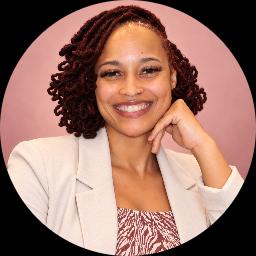
About LaQunana
She uses several practical therapy approaches to help people manage everyday problems. Sessions involve talking through what feels most urgent, identifying patterns that get in the way, and practicing small changes that bring relief. Her work includes addressing relationship concerns, communication problems, body image, and issues related to adoption and abandonment.
Many people seek help for identity and gender questions, including gender dysphoria and LGBT-related stress. She also works with clients affected by HIV/AIDS and those who have intellectual disabilities, shaping sessions around each person’s strengths and limits.
Practical issues such as communication skills, control struggles, forgiveness, and grief are common topics. Sessions are aimed at making day-to-day life easier, rebuilding self-worth, and helping people reestablish connection with others.
Areas of expertise
Primary focus
Additional focus areas
Therapeutic approaches
Experience
13+ years
Credentials
Mississippi, Iowa, Nevada
Languages
English
Therapeutic approaches and working online
Acceptance and Commitment Therapy (ACT) focuses on noticing thoughts and values, then taking actions that matter despite difficult feelings. It can help when anxiety, low mood, or life changes make decisions feel harder. Cognitive Behavioral Therapy (CBT) looks at the links between thoughts, feelings, and behaviors and teaches straightforward techniques to reduce worry and shift unhelpful patterns. Emotionally-Focused Therapy (EFT) helps people name and soften strong emotions in relationships and personal struggles so they can communicate more clearly.Finding the best approach is part of the process. The therapist works collaboratively with each person to decide which methods fit their goals and preferences. That means trying techniques, checking what helps, and adjusting the plan over time rather than sticking to a single method from the start.
The biography does not specify which session formats are used, so confirm current options before booking. Online sessions can make it easier to fit therapy into daily life, for example by allowing shorter check-ins between appointments or reducing travel time. They can also let people choose sessions that match practical needs like less or no video when that suits them. Licensed professionals can adapt ACT, CBT, and EFT techniques to work in virtual appointments and focus on skills that can be practiced between sessions.
Frequently asked questions
What concerns does she focus on?
She focuses on stress, anxiety, depression, self-esteem, LGBT concerns, and coping with life changes, plus related topics such as isolation, body image, and communication problems.
What is her therapy style?
She uses practical methods including Acceptance and Commitment Therapy, Cognitive Behavioral Therapy, Emotionally-Focused Therapy, Client-Centered, and Solution-Focused work to address thoughts, emotions, and behavior.
How many years has she been practicing?
She has 13 years of clinical experience working with a range of emotional and identity concerns.
What are her credentials and where is she based?
She is an LCSW and lists Mississippi as her location.
Can I work with her if I live outside the United States?
She accepts international clients. Sessions are offered in English.
What session formats are offered?
The original biography does not specify session formats; confirm the current session options before booking.
How much do sessions cost?
Cost varies with location; sessions use a subscription that can be canceled at any time.
How do I begin working with her?
Select the See online therapy options button, complete the short matching questionnaire, and schedule your first session.