- Stress and anxiety
- Grief and loss
- Caregiver support
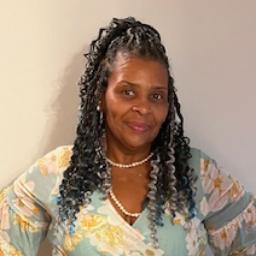
About Karen
She keeps sessions direct and focused on practical conversation. Karen encourages people to name the problems that feel most pressing and to try small, manageable steps between meetings. She listens for how daily routines, relationships, and recent losses affect mood and coping. Sessions aim to clarify what is getting in the way and explore realistic changes that fit a person's life.
Her background includes supporting people through grief and loss and helping caregivers manage stress tied to changing roles. She has worked with matters connected to adoption and foster care, gender dysphoria, and military-related concerns. She also addresses obsessive-compulsive patterns, body image, and issues around shame and guilt.
Karen works with people who are facing transitions later in life, including decisions around end-of-life care and adjusting to altered health or roles. She takes a straightforward approach to address these topics and to plan next steps that feel doable.
To begin, readers are invited to complete the brief matching questionnaire and schedule a first session. The service uses a subscription that can be canceled at any time, and fees vary by location.
Areas of expertise
Primary focus
Additional focus areas
Experience
8+ years
Credentials
North Carolina
Languages
English
How evidence-based methods are used online
Many evidence-based therapeutic techniques focus on changing thoughts and behaviors that keep someone stuck. Cognitive approaches help people notice unhelpful thinking patterns and practice different ways of thinking. This can be useful for anxiety, depression, and obsessive-compulsive concerns.Behavioral strategies focus on small, consistent actions that rebuild routines and improve mood. For grief, caregiver stress, and changes in later life, these methods support practical coping steps and manageable goals. When trauma and post-traumatic stress are present, clinicians often combine paced exposure with grounding and stabilization work to improve daily functioning.
Choosing the right approach is a collaborative process. The therapist will talk with each person about their needs, goals, and preferences and recommend techniques that fit those priorities. Sessions typically include checking progress and adjusting methods as needed so the plan stays useful.
Session formats are not specified in the biography, so confirm current options before booking. Online work can make it easier to fit therapy into a routine, reduce travel time, and allow shorter check-ins when schedules are tight. It also lets people continue care when health or caregiving demands make in-person visits difficult.
Frequently asked questions
What kinds of concerns does she help with?
She works with stress, anxiety, depression, grief, trauma and family conflict. The profile also lists aging and geriatric issues, caregiver stress, hospice and end-of-life counseling.
What is her approach in sessions?
She keeps sessions direct and conversational, focusing on naming practical steps and routines that can reduce distress. The emphasis is on clear goals and workable changes between meetings.
How much clinical experience does she have?
She has eight years of professional work experience practicing as a social worker in clinical settings.
What credential does she hold and where is she based?
She is an LCSW licensed in North Carolina and practices from that state.
Which languages are supported for sessions?
Sessions are offered in English.
Can international clients work with her?
She does not accept international clients at this time.
How are sessions billed and what do they cost?
Costs vary with location. Sessions use a subscription model that can be canceled at any time.
How do I start a first session?
Click the See online therapy options button, complete a short matching questionnaire, and schedule a first session.