- Stress and anxiety
- Caregiver support
- End of life counseling
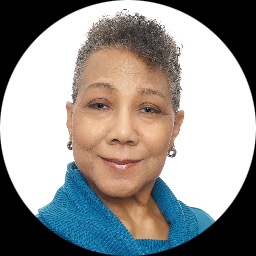
About Karen
She has spent many years helping people living with disabilities manage stigma and practical barriers. She looks for patterns that trigger anxiety or low mood and helps people name those patterns. Sessions focus on developing everyday skills to cope with symptoms and regain confidence in daily tasks.
Karen helps clients set practical goals and build routines that support independence. She offers straightforward strategies for managing anxiety, improving communication, and handling relationship tensions that come up later in life. She also supports people facing end-of-life planning and hospice-related emotional challenges.
Her work includes attention to caregiver stress, feelings of abandonment, and persistent emptiness or guilt. She can help with body image concerns and issues tied to chronic illness or hearing impairment. The approach is problem-focused and oriented to what can change now.
Clients commonly work on concrete tools for handling change, reducing isolation, and improving self-worth. Karen encourages small steps that add up to better day-to-day functioning. To begin, prospective clients complete a short matching questionnaire and schedule an initial session through the online therapy options button.
Areas of expertise
Primary focus
Additional focus areas
Experience
16+ years
Credentials
Michigan
Languages
English
Evidence-based techniques and how online sessions work
Karen uses evidence-based therapeutic techniques that focus on practical change. One common method is skill-building for anxiety and mood management, which teaches breathing, pacing, and activity routines to reduce symptoms and improve daily functioning. Another approach involves problem-focused work on communication and caregiver stress, helping people set boundaries and plan manageable routines to ease burden.Choosing the right approach is part of the work together. The therapist and client review needs, goals, and preferences and decide which methods to try. That choice can shift as progress is made so the plan stays useful and realistic for each person.
The biography does not list specific session formats, so confirm available options before booking. Online work can make scheduling easier and help therapy fit around medical appointments, caregiving duties, or mobility limits. Sessions can be arranged to reduce travel, allow shorter check-ins when needed, and support follow-up between in-person visits. Licensed professionals can adapt techniques to phone or video when those formats are offered, and the therapist will explain the best way to structure sessions at the first appointment.
Frequently asked questions
What kinds of concerns does she help with?
She works with stress, anxiety, depression, self-esteem problems, and coping with life changes. Additional focus areas include caregiver stress, chronic illness, and aging and geriatric issues.
What is her therapeutic style?
Her approach is practical and problem-focused. She emphasizes skills and routines people can use day to day to manage symptoms.
How much experience does she have?
She has 16 years of experience working in behavioral health settings with adults and children.
What are her credentials and location?
She is a Licensed Professional Counselor (LPC) practicing in Michigan.
Does she offer sessions in other languages or to international clients?
Sessions are offered in English. She is not accepting international clients.
What session formats are available?
Session formats are not specified in the biography. Confirm current session options before booking.
How are sessions paid for?
Cost varies with location and sessions use a subscription model that can be canceled at any time.
How do I start a first session?
Select the See online therapy options button, complete a short matching questionnaire, and schedule a first session.