- Grief and loss
- Caregiver stress
- Cognitive behavioral
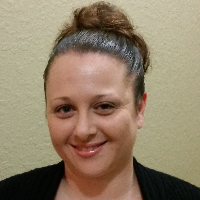
About Jessica
Her work has included in-patient, home, and nursing home hospice care. She has also worked in substance abuse rehabilitation and private practice. Jessica helps people facing grief, loss, life transitions, depression, anxiety, stress, family difficulties, and addiction concerns.
Jessica uses a strengths-based approach and draws on cognitive behavioral and solution-focused methods. In practice she focuses on concrete skills and changes that address day-to-day problems. She uses mindfulness and attachment-based ideas as part of that broader approach when helpful.
Many of her roles involved hospice and end-of-life counseling, caregiver stress, chronic illness and disability, and aging and geriatric issues. That background informs how she talks through grief, chronic medical concerns, and the strain that caregiving can bring.
Sessions aim to build a trusting working relationship and practical steps toward a person’s goals. Jessica emphasizes teamwork in setting goals and developing strategies for coping, managing mood, and resolving relationship tensions.
People looking for help with bereavement, caregiving stress, or managing health-related life changes may find her experience relevant. Her clinical history includes work across settings with a range of ages and needs.
Areas of expertise
Primary focus
Also works with
Additional focus areas
Therapeutic approaches
Experience
9+ years
Credentials
Florida
Languages
English
Therapeutic approaches and how online sessions can fit
Attachment-based work looks at how relationships shape feelings and behavior. It can help when family ties, caregiving roles, or long-term patterns affect mood and connection. Cognitive Behavioral Therapy, or CBT, focuses on practical skills to change unhelpful thoughts and behaviors. It is often used for anxiety, depression, and managing stress related to health or life transitions.Choosing an approach is part of the work together. The therapist will discuss what feels most relevant and adapt techniques based on the person’s needs and goals. That decision is collaborative and can change as progress is made.
Confirm the current session formats before booking since the biography does not list specific online options. In general, online sessions can make it easier to fit therapy into a busy schedule, reduce travel for caregivers, and allow shorter check-ins when needed. They also let people use mindfulness and CBT exercises in the settings where problems occur. Ask about the exact session methods offered when you complete the matching questionnaire so you know what to expect.
Frequently asked questions
What kinds of concerns does she address?
She works with grief, loss, depression, anxiety, stress, family issues, addiction, and life changes including aging and geriatric issues.
How would you describe her therapeutic style?
Her style is strengths-based and practical, using cognitive behavioral and solution-focused techniques alongside mindfulness and attachment ideas.
How much clinical experience does she have?
She has nine years of professional experience, including work in medical social work, hospice, substance abuse rehabilitation, and private practice.
What are her credentials and where does she practice?
She is a Licensed Clinical Social Worker (LCSW) licensed in Florida and practices in that state.
Can sessions be held in languages other than English?
Sessions are offered in English.
Are international clients accepted?
She is not currently accepting international clients.
How are sessions paid for and what does it cost?
Cost varies with location; sessions use a subscription that can be canceled at any time.
How do I begin working with her?
Click the See online therapy options button, complete a short matching questionnaire, and schedule a first session.