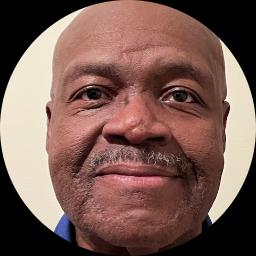
- Client-centered approach
- Emotionally-focused work
- Mindfulness practice
About James
Dr. Hunter draws on a long career in mental health that began in group homes and moved through school counseling and district leadership. That background means he brings practical experience with everyday problems such as managing change, coping with loss, and dealing with strained relationships. Sessions focus on clear goals and skills people can use between meetings.
His practice emphasizes talking through emotions and patterns to help people make different choices. He uses client-centered methods to listen and understand the person’s perspective. Emotionally-focused ideas are used when relational feelings and attachment come into view.
Mindfulness and solution-focused techniques are part of his toolbox for coping skills, symptom management, and short-term problem solving. Motivational interviewing is used to help people find the reasons and motivation to try new behaviors. These methods are described plainly and applied to the issues the client brings.
Dr. Hunter works in English and accepts international clients. Fees vary by location and sessions run on a subscription that can be canceled at any time. To begin, prospective clients complete a short matching questionnaire then schedule a first session.
Areas of expertise
Primary focus
Also works with
Additional focus areas
Therapeutic approaches
Experience
19+ years
Credentials
North Carolina
Languages
English
How his approaches translate to online sessions
Dr. Hunter uses client-centered therapy to focus on the person's experience and priorities. That means listening closely, reflecting what he hears, and helping people set their own goals. It works well for stress, mood concerns, and life changes where personal meaning matters.He also draws on emotionally-focused therapy to address relationship feelings and attachment patterns. In online sessions this involves naming emotions and working through interactions that cause pain or distance. Mindfulness therapy is used to teach simple attention and breathing exercises that help reduce anxiety and improve moment-to-moment coping.
Finding the right approach is part of the process. He will work with the client to decide which methods fit their needs, goals, and preferences. That discussion is collaborative and can change as work progresses.
The biography does not list specific session formats, so confirm the available options before booking. Online work can make it easier to fit sessions into a busy week, allow shorter check-ins when needed, and remove travel time. It also lets people use techniques like guided mindfulness during the meeting so they can practice skills and carry them into daily life.
Frequently asked questions
What kinds of problems does he address?
He works with stress, anxiety, depression, grief, trauma and abuse, relationship and family concerns, parenting, ADHD, and coping with life changes including aging and geriatric issues.
How would he describe his therapeutic style?
He uses client-centered listening, emotionally-focused work for relationship feelings, mindfulness for coping, motivational interviewing to support change, and solution-focused techniques for practical steps.
How much clinical experience does he have?
He has 19 years of professional clinical experience and a longer career background in school counseling and other mental health roles that inform his work.
What are his credentials and location?
He holds the LCMHC credential and practices in North Carolina.
Which languages are supported?
Sessions are offered in English and he accepts international clients.
What session formats are available?
The biography does not list specific session formats. Please confirm current session options before booking.
How are fees handled?
Fees vary with location and sessions use a subscription model that can be canceled at any time.
How do I get started?
Select the See online therapy options button, complete a short matching questionnaire, and schedule a first session.