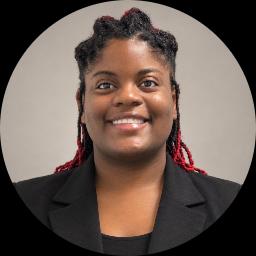
- Anxiety and depression
- End of life care
- Communication skills
About Eustachian
She commonly helps people facing anxiety, depression, emotional ups and downs, and problems with communication or control. She also supports those dealing with family problems, guilt and shame, codependency, and concerns related to adoption and foster care. Hospice and end-of-life counseling are among the areas she lists.
Her stated practice draws on cognitive behavioral techniques and skills from dialectical behavior approaches, along with person-centered principles and mindfulness. In sessions she focuses on building practical coping skills, increasing day-to-day insight, and strengthening a person’s ability to manage strong feelings.
Typical first meetings concentrate on getting to know the person beyond symptoms. She asks about goals and how clients hope therapy will help. From there she works collaboratively to set realistic steps and to practice skills between sessions.
People who reach out can expect straightforward conversations about current struggles and specific strategies to try at home. Eustachian aims to help clients find clearer ways to communicate, handle loss and change, and reduce patterns that cause ongoing distress.
Areas of expertise
Additional focus areas
Experience
4+ years
Credentials
Florida
Languages
English
How therapeutic methods are used in online sessions
Dialectical behavior approaches focus on skills for managing intense emotions and reducing reactive behavior. In practice this means learning short, repeatable skills for calming, handling distress, and improving interpersonal effectiveness. These skills can help with mood swings, impulsivity, and relationship conflicts.Cognitive behavioral techniques look at the links between thoughts, feelings, and actions. Online sessions using these techniques often include identifying unhelpful thinking patterns and practicing new behaviors or coping strategies between meetings. This approach tends to suit people who want clear steps and homework to track progress.
Finding the right approach is part of the therapy process. The therapist will work together with the client to choose which methods fit their needs, goals, and preferences. That collaborative decision may change over time as targets and priorities shift.
Practical benefits of online therapy include fitting sessions into a busy day and reducing travel time. Online work can make it easier to check in during transitions, follow up after an appointment, or practice skills learned in-session in real life. The original biography does not list specific session formats, so confirm which formats are offered before booking to know what will fit your routine.
Frequently asked questions
What kinds of concerns does she address?
She works with anxiety, depression, emotional dysregulation, grief, life transitions, isolation and issues connected to aging and geriatric concerns.
How would you describe her therapeutic style?
She uses cognitive behavioral techniques, elements of dialectical behavior approaches, person-centered ideas, and mindfulness to teach concrete coping skills.
How much clinical experience does she have?
She has four years of professional experience as a Licensed Clinical Social Worker.
What are her credentials and location?
She is an LCSW licensed in Florida and practices from that state.
Which languages are offered for sessions?
Sessions are offered in English.
What session formats are available?
The original biography did not specify session formats, so confirm current session options before booking.
How does payment and cost work?
Cost varies by location and services; sessions use a subscription model that can be canceled at any time.
How do I begin working with her?
Choose the See online therapy options button, complete the short matching questionnaire, and schedule a first session.