- Anxiety management
- Grief support
- Cognitive behavioral work
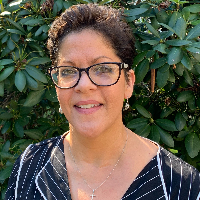
About Elizabeth
She frames therapy as a collaborative process. Sessions begin by listening to what matters most to the person and identifying strengths to build on. When useful, she teaches practical skills to change unhelpful thoughts and behaviors and to cope with strong emotions.
Her approach draws on cognitive behavioral methods to look at how thoughts influence feelings and actions. She also uses client-centered and acceptance-based techniques to support personal values and meaningful decisions. Attachment-based work may be used when relationship patterns and early bonds affect current behavior.
Elizabeth brings experience with grief and bereavement from hospice volunteering and clinical placements. That experience informs how she helps people facing loss, life transitions, or the emotional side of health changes and caregiving roles.
She keeps sessions focused and straightforward, mixing short skills practice with reflective conversation. People meet to talk through immediate problems, try new ways of reacting, and discuss longer term questions about purpose and next steps. The goal is clearer thinking and more usable tools for everyday life.
Areas of expertise
Primary focus
Also works with
Additional focus areas
Therapeutic approaches
Experience
11+ years
Credentials
Pennsylvania
Languages
English
How her therapeutic approaches translate to online work
Acceptance and Commitment Therapy (ACT) focuses on helping people clarify what matters to them and take action toward those values while learning to notice painful thoughts without getting stuck in them. It can help with anxiety, low mood, and life transitions.Cognitive Behavioral Therapy (CBT) looks at the links between thoughts, feelings, and behaviors and teaches practical skills to change unhelpful patterns. This approach is useful for worry, mood problems, phobias, and some forms of trauma recovery.
Attachment-Based Therapy considers how early relationship patterns affect current connections and can be useful when communication or commitment issues are part of the concern.
Finding the right approach is part of the work together. The therapist will listen to your goals and preferences and suggest methods that match those aims. Clients and the therapist decide collaboratively which tools to try and when to adjust the plan.
If you plan to try online sessions, confirm the session formats available before booking. The practical benefits of remote sessions can include easier fitting of appointments into a busy day, shorter check-ins when needed, and fewer travel demands. Ask about the exact session options when you complete the matching questionnaire so you know how appointments will run.
Frequently asked questions
What concerns does she help with?
She works with stress, anxiety, depression, grief, relationship and intimacy concerns, self-esteem, ADHD, eating and body image difficulties, and aging-related life changes.
What is her therapeutic style?
She combines cognitive behavioral techniques with client-centered and acceptance-based approaches, and may use attachment-focused work for relationship patterns.
How long has she been practicing?
Elizabeth has 11 years of experience as a counselor working with adults across a range of concerns.
Where is she licensed and located?
She is a Licensed Professional Counselor (LPC) practicing in Pennsylvania.
Are sessions offered in other languages?
Sessions are offered in English.
Does she work with international clients?
She does not accept international clients at this time.
How does cost and payment work?
Cost varies with location; sessions use a subscription that can be canceled at any time.
How do I begin working with her?
Select the See online therapy options button, complete a short matching questionnaire, and schedule a first session.