- Depression support
- Trauma recovery
- Caregiver stress
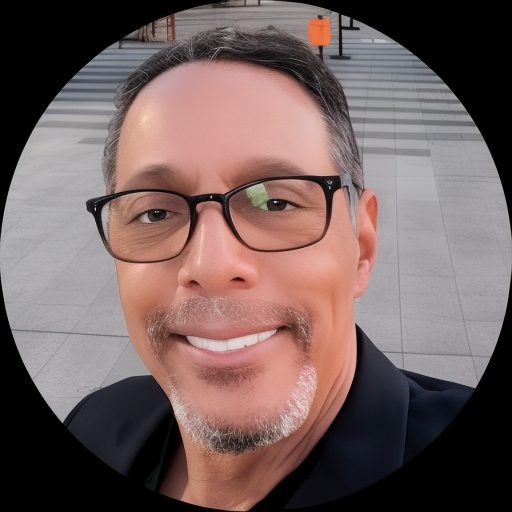
About Edward
Clients meet a clinician who focuses on concrete conversation and practical coping strategies. Sessions address communication difficulties, codependency, and issues like abandonment or infidelity in plain terms. He also supports people dealing with guilt, shame, and the emotional consequences of divorce or separation.
Over two decades he has worked with adults across different life stages, including those adjusting to retirement, health shifts, or the demands of caregiving. He helps people who are navigating hospice and end-of-life counseling concerns, and those worried about fatherhood or men’s specific pressures.
His style centers on clear goals and developing skills that can be used between sessions. That can include ways to manage mood, set boundaries, and improve difficult conversations with family members. He emphasizes steady, practical steps rather than abstract theory.
Sessions are conducted in English and take place in California. Costs vary by location and use a subscription that can be canceled at any time. To begin, people complete a short matching questionnaire and schedule a first session.
Areas of expertise
Primary focus
Additional focus areas
Experience
20+ years
Credentials
California
Languages
English
Evidence-based approaches and online care
Edward’s practice centers on evidence-based therapeutic techniques that focus on symptom relief and practical skills. One common approach is cognitive-behavioral style work, which helps people identify unhelpful thoughts and try new behaviors to reduce depression or anxiety. Another is grief-focused work that helps people name losses, process emotions, and find ways to honor relationships while adapting to change.Finding the right approach is part of the work together. He will discuss options with each person and choose methods that match their needs, goals, and preferences. That collaborative process means adjusting strategies over time based on what helps most.
Session formats are not detailed in the biography, so confirm the available options before booking. The practical benefits of remote sessions can include fitting appointments around caregiving or medical appointments, shorter check-ins when time is limited, and avoiding travel when mobility or distance is an issue. Licensed professionals often use online work to make therapy easier to schedule and to keep ongoing support during life transitions.
Frequently asked questions
What kinds of problems does he help with?
He works with relationship issues, trauma and abuse, grief, depression, and coping with life changes. Additional focuses include caregiver stress, adoption and foster care concerns, and aging and geriatric issues.
How would you describe his approach in sessions?
He uses straightforward, evidence-based techniques and focuses on practical skills. Sessions typically involve talking through problems, practicing communication, and developing coping strategies.
How much experience does he have?
He has 20 years of experience working with adults across different life stages. That includes work with people facing major life transitions and caregiving responsibilities.
What are his credentials and where does he practice?
He is a Licensed Clinical Social Worker (LCSW) in California and practices in that state.
Which languages are supported for sessions?
Sessions are offered in English.
Can sessions be done remotely or by phone?
Current session formats are not specified in the biography. Please confirm available session options before booking.
How are fees handled?
Cost varies with location and sessions use a subscription that can be canceled at any time.
What do I do to get started?
Select the See online therapy options button, complete a short matching questionnaire, and schedule a first session.