- Grief and loss
- Family systems
- Motivational interviewing
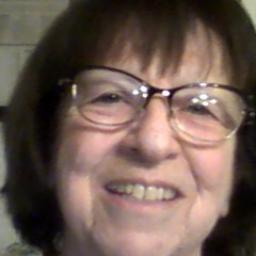
About Dorothy
She spent much of her career in acute care hospitals, helping people cope with life-changing diagnoses, suicide loss, and sudden bereavement. Dorothy uses clear, direct thinking to help people sort priorities, make plans, and care for family members during hard times.
Her work also includes motivational interviewing to help people set practical goals and move forward from chaotic situations. She draws on systems theory when supporting family concerns, looking for small changes that can create broader improvements across relationships.
Dorothy has experience coordinating with schools, courts, and child protective services and has supported families in school-based homeless programs. She has provided parenting education, groups, and both couples and family sessions at different points in her career.
In sessions she balances brief supportive interventions with more intensive work when needed. She listens to what each person and family bring, then helps figure out achievable steps. If a referral would be more helpful, she will recommend other professionals.
Her approach focuses on practical problem solving, improving communication, and helping people regain a sense of direction after loss, illness, or major life transitions. People can expect straightforward guidance and a focus on realistic next steps.
Areas of expertise
Primary focus
Also works with
Additional focus areas
Therapeutic approaches
Experience
25+ years
Credentials
California, Arizona
Languages
English
Therapeutic approaches used in online work
Acceptance and Commitment Therapy (ACT) helps people clarify what matters most to them and take small actions toward those values. It can be useful for anxiety, depression, and coping with major life changes.Cognitive Behavioral Therapy (CBT) focuses on identifying unhelpful thoughts and testing new behaviors. It is often used for anxiety, depression, sleep and coping with stress.
Attachment-Based Therapy looks at relationship patterns and how early bonds affect current connections. It can help with intimacy-related issues, attachment challenges, and family conflict.
Choosing an approach is a collaborative process. The therapist will work with the person to decide which methods fit their needs, goals, and preferences. Plans can be adjusted as work progresses to reflect what is most helpful.
Confirm the available session formats before booking since the biography does not specify them. Online sessions can make it easier to fit therapy into a busy schedule, reduce travel time, allow shorter check-ins when needed, and let people join from quieter surroundings. These practical features can help maintain continuity of care while working on grief, stress, family concerns, or life transitions.
Frequently asked questions
What kinds of concerns does she address?
Dorothy helps with grief, trauma, addiction, depression, anxiety, stress, relationship and family issues, coping with life changes, and aging and geriatric issues.
What is her therapy style?
She uses a practical, problem-solving style that includes motivational interviewing and systems-based work to create actionable steps.
How much experience does she have?
She has 25 years of clinical experience, with many years working in acute care hospitals and community programs.
What are her credentials and where is she based?
She is a Licensed Clinical Social Worker - CA LCSW and AZ LCSW - and practices in Arizona.
Which languages are offered?
Sessions are offered in English.
Can sessions be done remotely or by phone?
Please confirm current session formats before booking, as the biography does not list specific session formats.
How are fees handled?
Cost varies with location; sessions use a subscription that can be canceled at any time.
How do I begin working with her?
Select the See online therapy options button, complete a short matching questionnaire, and schedule a first session.