- Anxiety and depression
- Coping with change
- Caregiver stress
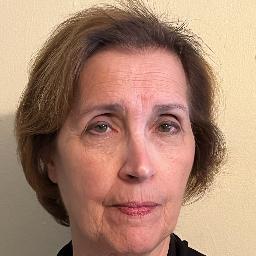
About Diane
Diane draws on practical therapy methods to help people handle life changes and caregiver stress. She uses clear questions and active listening to build a working relationship. Sessions aim to identify small steps that can reduce worry and improve day-to-day coping.
Her background includes work in inpatient and residential treatment settings as well as outpatient care. That variety informs how she adapts tools to different situations. Diane combines approaches when helpful rather than relying on a single method.
In sessions she commonly uses client-centered work and cognitive behavioral techniques to address thinking patterns and behaviors. Solution-focused strategies are used when people want concrete, short-term goals. Trauma-focused work is part of her approach for people processing past harms.
The tone of her work is interactive and respectful. She helps people talk through problems such as grief, addiction, parenting stress, and isolation. Her stated aim is to create a strong rapport first, then choose methods that fit the issue at hand.
Areas of expertise
Primary focus
Also works with
Additional focus areas
Therapeutic approaches
Experience
5+ years
Credentials
Pennsylvania
Languages
English
How her approaches translate to online work
Diane commonly uses client-centered therapy and cognitive behavioral therapy. Client-centered work focuses on the person's concerns and uses reflective listening to clarify what matters most. It helps with loneliness, grief, and relationship issues by making space to organize thoughts. Cognitive behavioral therapy looks at the links between thoughts, feelings, and actions and teaches practical strategies to change unhelpful patterns. It is often used for anxiety, depression, and stress.She also draws on solution-focused methods when people want brief, goal-oriented work. Those techniques help set small achievable steps and measure progress over a short number of sessions. Choosing which approaches to use is a collaborative process. The therapist and client discuss goals and preferences and decide together which methods feel most useful.
The practical benefit of working online is that therapy can fit into everyday life more easily. Confirm the exact session formats before booking, as the biography does not list them. Many people find remote sessions help reduce travel time, allow shorter check-ins during a busy day, or avoid being on camera when that is preferred. The therapist will discuss which format and approach best suit the client's needs and routines.
Frequently asked questions
What concerns does she work with?
She works with anxiety, depression, trauma and stress. Her listed specialties also include relationship and family problems, grief, addiction, bipolar, and aging and geriatric issues.
What is her therapeutic style like?
She uses a client-centered, interactive style that begins with building rapport. Sessions use reflective questions and practical steps to address problems.
How much clinical experience does she have?
She has five years of experience as an LCSW working in inpatient, residential, and outpatient settings.
What are her credentials and location?
She is an LCSW licensed in Pennsylvania. Practice and services are offered from Pennsylvania.
Does she offer sessions in other languages or internationally?
Sessions are offered in English. International clients are not currently accepted.
What session formats are available?
The biography does not specify session formats. Please confirm current session options before booking.
How does cost work for sessions?
Cost varies with location and sessions use a subscription model that can be canceled at any time.
How do I start working with her?
Select the See online therapy options button, complete the short matching questionnaire, and schedule a first session.