- CBT techniques
- Solution-focused work
- Trauma-informed support
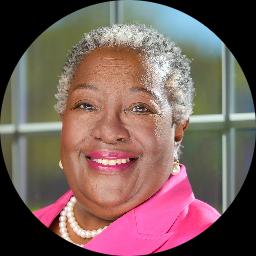
About DeWanna
She uses straightforward, practical methods in sessions. Dr. Greer draws on client-centered work to listen to what matters most to each person. She also uses cognitive behavioral techniques to help identify and change unhelpful thinking patterns. Solution-focused tools are used to set concrete, short-term goals for change.
Dr. Greer also integrates trauma-focused approaches when a history of trauma affects daily life. In practice she helps people manage grief and end-of-life concerns, caregiver stress, workplace issues, and the emotional effects of major life transitions. She pays attention to financial stress, veteran and first responder concerns, and the strains of blended family dynamics.
Sessions tend to be practical and goal-oriented. Conversations often include skills for coping, small experiments between sessions, and clearer communication strategies with family or care teams. She helps people weigh options about career direction and life purpose without making decisions for them.
Outside of work she enjoys sewing, reading, and traveling with her husband. That personal perspective informs a down-to-earth approach to problems that come with later life and caregiving roles.
Areas of expertise
Primary focus
Additional focus areas
Therapeutic approaches
Experience
16+ years
Credentials
Texas
Languages
English
How her approaches guide online sessions
Dr. Greer commonly uses client-centered therapy and cognitive behavioral therapy in her work. Client-centered therapy focuses on listening carefully to each person's concerns and reflecting back what matters most. It helps when someone needs to sort through feelings about retirement, caregiving, or family relationships. Cognitive behavioral therapy looks at thoughts and behaviors to find small changes that reduce anxiety and improve mood. It is helpful for stress, worry, and coping with transitions.She also uses solution-focused techniques to set short-term, realistic goals and measure progress. Choosing the right mix of approaches is part of the work together. The therapist and client discuss needs, goals, and preferences and then try methods that fit those aims in a collaborative way.
Session formats are not listed here, so confirm current options before booking. Online work can make it easier to fit therapy around medical appointments, caregiving responsibilities, or travel. It can reduce commuting time, allow shorter check-ins when needed, and let people meet from wherever they are without rearranging large parts of the day. Licensed professionals can adapt exercises and homework to remote sessions so progress continues between meetings.
Frequently asked questions
What concerns does she address?
She works with stress, anxiety, grief, self-esteem, career issues, and coping with life changes. Additional focuses include aging and geriatric issues, caregiver stress, hospice and end-of-life counseling, and workplace problems.
What is her style of therapy?
She uses client-centered listening combined with cognitive behavioral and solution-focused methods. Sessions emphasize practical coping skills and short-term goals.
How much experience does she have?
She has 16 years of professional counseling experience, including work with student veterans and adults from diverse backgrounds.
What are her credentials and location?
She is an LPC - Licensed Professional Counselor, credentialed in Texas. Her practice is based in Texas.
Does she offer sessions in other languages?
Sessions are offered in English only.
Can sessions be held online or by phone?
Current session formats are not specified here. Please confirm the available session options before booking.
How does payment and cost work?
Cost varies by location. Sessions use a subscription that can be canceled at any time.
How do I begin working with her?
Use the See online therapy options button, complete the short matching questionnaire, and schedule a first session to get started.