- Stress and anxiety
- Substance concerns
- Caregiver support
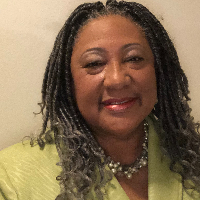
About Deborah
She uses a mix of approaches and chooses what fits each person’s goals and motivation. That can include client-centered conversation, cognitive behavioral techniques, motivational interviewing, narrative work, psychodynamic ideas, and solution-focused strategies. Sessions are practical and goal-oriented, with room to discuss life events and their effects.
Deborah trained at the University of Central Arkansas and pursued further study in rehabilitation counseling at the University of Arkansas at Little Rock. Her background includes extensive work in substance use and mental health settings, and she has experience as a tobacco interventionist. She brings long-term clinical experience to later-life concerns and caregiving stress.
In sessions she helps people sort priorities, practice new ways of handling difficult moments, and set small, achievable steps toward change. She pays attention to how past experiences shape current reactions and uses straightforward talk to identify options.
People who are navigating retirement, health-related life changes, loss, or the stress of caring for a partner or parent will find a focus on practical problem-solving and clear communication. Deborah encourages active participation and follows the client’s lead on goals and pace.
Areas of expertise
Primary focus
Also works with
Additional focus areas
Therapeutic approaches
Experience
17+ years
Credentials
Arkansas
Languages
English
How Deborah uses therapeutic approaches in online sessions
Client-Centered Therapy focuses on listening and reflecting what matters to the person. It helps when someone needs understanding and wants to set their own goals. Cognitive Behavioral Therapy (CBT) looks at the link between thoughts, feelings, and actions. It provides practical strategies for anxiety, mood problems, and coping with life changes. Motivational Interviewing is a brief, goal-focused style that helps people find their own reasons to change and build motivation for steps like reducing substance use.Choosing the right approach is part of the work together. Deborah will talk with each person about their needs, goals, and preferences and suggest approaches that match. Decisions about methods are collaborative and may change as progress is made.
The practical benefit of online sessions is fitting therapy into a busy or changing day. Online work can make it easier to schedule shorter check-ins, avoid travel time, or keep appointments during caregiving responsibilities. The exact session formats offered should be confirmed before booking so you know how meetings will be held. Deborah’s therapeutic methods aim to help people manage stress, address addiction concerns, cope with loss, and navigate later-life transitions without requiring a specific in-person arrangement.
Frequently asked questions
What kinds of problems does she help with?
She helps people with stress, anxiety, depression, addictions, grief, relationship and family concerns, and aging and geriatric issues.
How would you describe her therapeutic style?
She uses an eclectic, practical approach and selects methods based on each person’s goals and motivation.
How much experience does she have?
She has 17 years of experience working in counseling, substance abuse, and mental health settings.
What are her credentials and where does she practice?
She is a Licensed Professional Counselor (LPC) practicing in Arkansas.
Can sessions be held in languages other than English?
Sessions are offered in English.
Does she accept clients from other countries?
She does not accept international clients.
How much do sessions cost?
Cost varies with location; sessions use a subscription that can be canceled at any time.
How do I begin working with her?
Use the See online therapy options button, complete a short matching questionnaire, and schedule a first session.