- Anxiety and depression
- Chronic illness support
- CBT and mindfulness
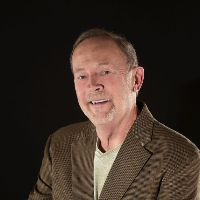
About David
Dr. Engstrom uses a mix of approaches including cognitive behavioral methods and mindfulness to address symptoms that interfere with daily life. He also draws on client-centered principles to help people talk through what matters to them. Motivational interviewing is used when people want help making changes that stick.
Many referrals involve chronic illness, chronic pain, hospice and end-of-life counseling, and hearing-impaired clients. He has long experience treating sleep problems like insomnia and behavioral aspects of medical conditions. He also works with process and substance addictions and the mood and anxiety problems that often come with them.
In sessions he focuses on concrete skills - sleep routines, managing urges, thought-behavior patterns, and stress reduction practices. Mindfulness practices are offered as simple, short exercises to reduce reactivity. The work aims to produce small, steady improvements in daily routines and relationships.
Dr. Engstrom practices in Arizona and communicates in English. He accepts international clients through the service. Costs vary with location and sessions use a cancellable subscription model. To begin, users complete a short matching questionnaire and schedule a first session.
Areas of expertise
Primary focus
Also works with
Additional focus areas
Therapeutic approaches
Experience
22+ years
Credentials
Arizona
Languages
English
How Dr. Engstrom uses therapy approaches online
Acceptance and Commitment Therapy (ACT) helps people clarify what matters to them and commit to small, practical steps aligned with those values. ACT can be useful for coping with chronic illness, loss, and long-term mood or anxiety concerns.Cognitive Behavioral Therapy (CBT) focuses on the links between thoughts, behaviors, and feelings. It includes concrete exercises such as activity scheduling, sleep habit changes, and thought records to reduce anxiety and depression symptoms.
Finding the right approach is part of the work. The therapist will discuss goals and preferences and together choose methods that fit those needs. This collaborative process lets treatment be adjusted over time as priorities change.
Practical benefits of remote sessions can include easier fitting of appointments into daily life, shorter check-ins when needed, and fewer trips to an office. Because the original biography does not specify exact session formats, confirm the available options before booking. The focus is on making therapeutic tools usable in everyday routines, for example practicing brief mindfulness exercises, adjusting sleep patterns, or planning steps for addiction recovery that transfer directly into the client’s life.
Frequently asked questions
What kinds of problems does he help with?
He works with stress, anxiety, depression, addictions, sleep problems, grief, relationship and intimacy concerns, and issues related to aging and geriatric needs.
How would he describe his therapeutic style?
He uses cognitive behavioral techniques, mindfulness, client-centered approaches, DBT skills, and motivational interviewing to focus on practical skills and behavior change.
How much clinical experience does he have?
He has 22 years of experience working with a range of mental health and health-related concerns, including chronic pain and sleep disorders.
What are his credentials and where does he practice?
He is listed as AZ Psychologist PSY-002048 and practices in Arizona.
Are sessions offered in other languages or internationally?
Sessions are offered in English and he accepts international clients.
What session formats are available?
The original biography does not list specific session formats; please confirm current session options before booking.
How much do sessions cost?
Cost varies with location; sessions use a subscription that can be canceled at any time.
How do I get started?
Select the See online therapy options button, complete a short matching questionnaire, and schedule a first session.