- Stress and anxiety
- Trauma and abuse
- CBT and DBT techniques
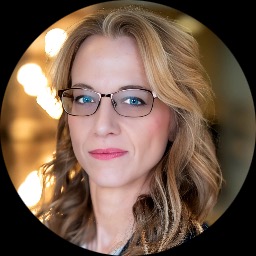
About Cryshanna
She uses straightforward conversation and practical tools in sessions. Cryshanna draws from client-centered therapy to focus on each person’s concerns and priorities. She also uses techniques from cognitive behavioral therapy and dialectical behavior therapy to address thoughts, behaviors, and emotion regulation.
Clients can expect short-term problem solving and skills practice when appropriate. Solution-focused strategies may be used to set clear, achievable goals and track progress. Trauma-focused methods are applied when past events affect day-to-day functioning or mood.
Her approach is direct and respectful. Sessions include talking through current troubles, identifying patterns, and practicing concrete skills for coping. She pays attention to concentration, executive functioning, and practical steps that help with memory and focus.
People looking for help with grief, addiction concerns, anger, or work and career stress will find a practical orientation in her work. She also addresses family and blended family issues and supports those dealing with chronic pain, illness, or caregiving strains. To begin, clients use the site matching process and schedule a first session.
Areas of expertise
Primary focus
Also works with
Additional focus areas
Therapeutic approaches
Experience
6+ years
Credentials
Texas
Languages
English
How her approaches translate to online work
Client-centered therapy focuses on listening and responding to what matters most to the person. Online sessions using this approach center on the client’s priorities and practical concerns. Cognitive behavioral therapy (CBT) looks at links between thoughts, feelings, and actions; online CBT often involves homework, skill practice, and short exercises to change patterns that cause distress. Dialectical behavior therapy (DBT) teaches emotion regulation, distress tolerance, and interpersonal skills that can be practiced between sessions and reviewed with the therapist.Deciding which approach to use is part of the first weeks of work. The therapist will collaborate with the client to pick methods that match goals, daily routines, and what feels most useful. Expectations and goals are reviewed together so sessions focus on measurable steps and skills.
The practical benefits of online sessions include fitting therapy into a busy schedule and reducing travel time. Online work can make it easier to keep regular brief check-ins or to practice skills between appointments. Because the biography does not list specific session formats, confirm the exact options before booking so you know whether phone, video, or another format is offered.
Frequently asked questions
What concerns does she help with?
Covers stress, anxiety, trauma and abuse, depression, ADHD, addictions, grief, anger, self-esteem, career and coping with life changes including aging and geriatric issues.
What is her therapeutic style?
She uses client-centered conversation along with CBT and DBT skills, plus solution-focused steps and trauma-focused methods when needed.
How much experience does she have?
She is a Licensed Professional Counselor with six years of professional experience working with a range of concerns.
Where is she licensed and based?
She holds a Texas LPC credential and practices from Texas.
Which languages are supported?
Sessions are offered in English.
Can sessions be remote or by phone?
Confirm current session options before booking, as the biography does not specify which formats are offered.
How does pricing work?
Cost varies with location and sessions use a subscription that can be canceled at any time.
How do I start a first session?
Select the See online therapy options button, complete the short matching questionnaire, and schedule a first session.