- Family conflict
- Trauma and grief
- ACT and CBT methods
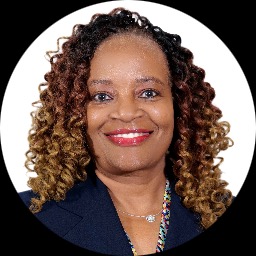
About Connie
She approaches sessions from a person-centered stance, treating each individual as the expert on their own life. Conversations focus on practical steps and clearer thinking. Connie listens for strengths you already have and helps apply them to current problems.
Her work often addresses family conflict, separation and blended family concerns, and the effects of past abuse. She also assists people navigating adoption and foster-care questions, abandonment wounds, and caregiving or aging-related pressures. Topics such as codependency, anger, and communication problems come up frequently in her practice.
Connie uses a mix of methods to support change. That includes Acceptance and Commitment Therapy to clarify values, Cognitive Behavioral Therapy to adjust unhelpful thoughts and behaviors, and mindfulness techniques to reduce distress. She also draws on existential ideas about meaning when clients face life transitions or loss.
Sessions are conversational and focused on steps you can try between meetings. People working through grief, relationship shifts, or stress from health and caregiving find the approach down-to-earth. To begin, readers should use the site’s matching process to request a first session and share what they hope to address.
Areas of expertise
Primary focus
Also works with
Additional focus areas
Therapeutic approaches
Experience
6+ years
Credentials
Texas
Languages
English
Therapeutic approaches and online options
Connie draws on Acceptance and Commitment Therapy (ACT) and Cognitive Behavioral Therapy (CBT) in many sessions. ACT helps people clarify what matters most and take actions that align with those values even when feelings are difficult. CBT looks at the link between thoughts, feelings, and behaviors and teaches practical skills for reducing anxiety and depressive patterns.She also uses Client-Centered Therapy, which means conversations are guided by the client's priorities and pace rather than a fixed script. Deciding which approach to use is collaborative; the therapist and client will try methods, review what helps, and adjust the plan to match goals and preferences.
Session formats are not specified in the biography, so confirm current options before booking. Online work can make it easier to fit therapy into a busy day, reduce travel time, and allow more frequent check-ins when needed. It can also let people choose shorter or longer sessions based on what fits their schedule. The focus is on finding approaches and a rhythm of sessions that suit the client’s everyday life.
Frequently asked questions
What concerns does she address?
Connie works with relationship strain, trauma and abuse, grief, intimacy issues, addictions, anxiety, depression, ADHD, and related family matters.
What style of therapy does she use?
She combines Client-Centered Therapy with Acceptance and Commitment Therapy and Cognitive Behavioral Therapy, using mindfulness and existential ideas when helpful.
How much experience does she have?
Connie has six years of professional experience as a Licensed Professional Counselor in Texas.
Where is she based and licensed?
She is licensed in Texas and practices with that LPC credential.
Which languages are supported?
Sessions are offered in English.
Does she work with international clients?
International clients are not accepted at this time.
How are costs handled?
Cost varies by location and sessions use a subscription model that can be canceled at any time.
How do I get started?
Select the See online therapy options button, complete the short matching questionnaire, and schedule an initial session.