- Stress and anxiety
- Trauma and abuse
- Aging concerns
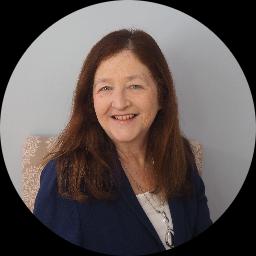
About Chrystine
She uses straightforward, conversational sessions where clients can talk through what matters most to them. Sessions tend to focus on immediate problems and practical steps. Chrystine draws on approaches such as client-centered work, cognitive behavioral techniques, emotionally-focused strategies, and trauma-focused methods to address thoughts, feelings, and day-to-day coping.
In work with people who served in the military and first responders, and with those facing chronic health problems, she places attention on safety, routines, and practical symptom management. For family members supporting a loved one, she addresses caregiver strain and communication problems so the day-to-day load feels more manageable.
When grief, loss, or end-of-life concerns are present, she helps people talk about what matters and plan next steps. For anxiety, panic, and trauma-related symptoms, sessions include ways to reduce immediate distress and build sustainable coping skills. For depression and anger, the focus is on small, achievable changes and repairing important relationships.
To begin, potential clients complete a short matching questionnaire and schedule a first session. Chrystine offers a direct approach aimed at clear goals and practical changes over time.
Areas of expertise
Primary focus
Additional focus areas
Therapeutic approaches
Experience
6+ years
Credentials
Connecticut, Massachusetts
Languages
English
Therapeutic approaches and online sessions
Chrystine commonly blends client-centered work with cognitive behavioral therapy and trauma-focused therapy. Client-centered work means the therapist listens closely and helps people identify what matters most to them. Cognitive behavioral therapy looks at thinking patterns and practical skills to reduce anxiety, panic, and depressive symptoms. Trauma-focused therapy concentrates on reducing distress from past traumatic events and building strategies for managing triggers.Finding the right approach is part of the work. She will collaborate with the client to decide which methods fit their goals, needs, and comfort level. That decision can shift over time as goals change or progress is made.
Session format options are not specified in the biography, so confirm current session choices before booking. Online work can make it easier to fit sessions into a busy week, shorten a check-in when needed, or avoid travel time. Licensed professionals often adapt exercises, homework, and communication to the online setting so that sessions focus on practical steps and problem solving without changing the therapeutic goals.
Frequently asked questions
What concerns does she address?
She helps people with stress, anxiety, trauma and abuse, grief, anger, and depression, with additional focus on aging and geriatric issues and caregiver stress.
What is her general therapy style?
She uses a conversational, client-centered approach combined with cognitive behavioral and trauma-focused techniques to address thoughts, feelings, and coping.
How much clinical experience does she have?
She has six years of professional therapeutic intervention experience working with clients in clinical settings.
What credentials and location apply?
She holds MA LICSW and CT LCSW credentials and practices in Massachusetts.
Which languages are supported?
Sessions are offered in English.
Can international clients work with her?
International clients are not currently accepted.
How are fees handled?
Cost varies with location and sessions use a subscription that can be canceled at any time.
How do I get started?
Select the See online therapy options button, complete a short matching questionnaire, and schedule a first session.