- Stress and anxiety
- Grief and loss
- Coping skills
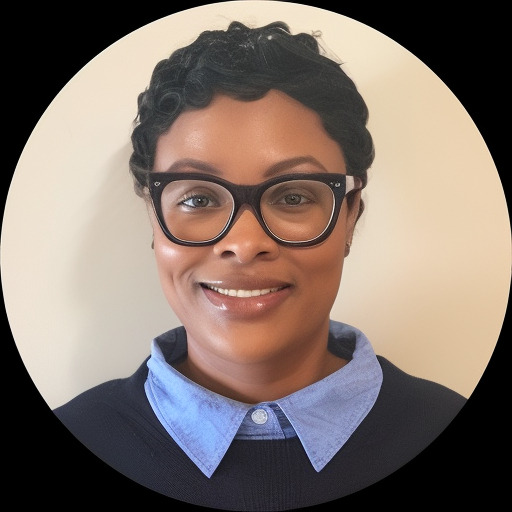
About Chanel
Day has worked in inpatient residential programs, in-home therapy, and outpatient settings. That range means she is used to different rhythms of care and to practical problems that come up between sessions. She focuses on helping people name what is happening and learn straightforward skills to manage emotions and daily demands.
Her approach uses evidence-based therapeutic techniques. She draws on Cognitive Behavioral Therapy to look at how thoughts and behaviors interact. Mindfulness and trauma-informed care help people calm intense reactions and revisit difficult memories at a safer pace.
She also uses solution-focused methods and motivational interviewing to set small, doable goals. Psychoeducation and coping skills are part of most sessions so people leave with tools they can use right away. Chanel aims to make sessions collaborative and direct, with clear next steps after each meeting.
Clients coming for later-life concerns will find someone familiar with the stressors of health changes, caregiving roles, retirement adjustments, and loss. The emphasis is practical support and skill-building so daily life becomes more manageable.
Areas of expertise
Primary focus
Additional focus areas
Experience
8+ years
Credentials
New York
Languages
English
Approaches used and how online sessions help
Chanel uses Cognitive Behavioral Therapy to help people notice how thoughts, feelings, and behaviors connect and change patterns that cause distress. CBT is commonly used for anxiety, depression, and problems with daily functioning.She also incorporates mindfulness-based strategies and trauma-informed care. Mindfulness teaches attention and breathing skills to reduce reactivity. Trauma-informed care means pacing work so difficult memories are approached carefully and with clear coping tools.
Choosing the right approach is part of the work together. Chanel will talk through options, try techniques in session, and adjust based on what helps meet the client's goals and preferences. The process is collaborative and practical, focusing on skills people can use between meetings.
The biography does not list specific session formats, so confirm current options before booking. Online sessions can make attending easier by fitting into a daily routine, reducing travel time, and allowing shorter check-ins when a full-length meeting is not needed. They can also allow people to use quieter surroundings, avoid camera use when preferred, or schedule sessions around caregiving and medical appointments. Licensed professionals can adapt techniques like CBT and mindfulness to work effectively in remote sessions.
Frequently asked questions
What kinds of problems does she help with?
She works with stress, anxiety, trauma and abuse, grief, bipolar disorder, and depression. Additional topics include abandonment, attachment, chronic illness, and aging and geriatric issues.
What is her therapeutic style?
She uses a collaborative, practical style focused on evidence-based techniques. Sessions emphasize skill building, psychoeducation, and clear next steps.
How much experience does she have?
She has eight years of clinical experience across inpatient residential, in-home therapy, and outpatient settings. That background informs practical problem-solving in sessions.
What are her credentials and location?
She is a Licensed Mental Health Counselor (LMHC) licensed in New York and practices from that state.
Does she work in other languages or internationally?
Sessions are offered in English. She is not taking international clients.
What session formats are offered?
The original biography does not specify formats. Please confirm current session options before booking.
How does pricing work?
Cost varies with location and sessions use a subscription that can be canceled at any time.
How do I begin if I want to meet with her?
Select the See online therapy options button, complete a short matching questionnaire, and schedule a first session.