- Person-centered approach
- Cognitive behavioral techniques
- Caregiver and grief support
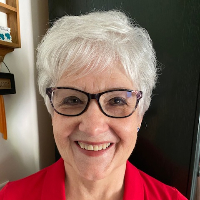
About Carol
She uses a person-centered approach that focuses on listening and on what the client wants to change. That means conversations aim to identify manageable steps and practical coping skills. She also uses cognitive behavioral techniques when helpful to address unhelpful thoughts and patterns that feed anxiety or depression.
Sessions can include time to talk through current problems, develop ways to handle stress, or practice skills for managing difficult feelings. Carol describes helping people who need to vent about everyday pressures as well as those who want tools to reduce distress. Topics she sees often include caregiving stress, end-of-life concerns, blended family issues, and communication problems.
Her background across many years of practice includes work with grief, hospice and end-of-life counseling, parenting concerns, and midlife transitions. She also notes experience with intimacy-related issues, body image, and eating concerns. This range of experience informs straightforward support for practical problems and emotional strain.
People looking for a first step are invited to complete a short matching questionnaire and schedule an initial session. The process begins with identifying immediate concerns and deciding whether cognitive techniques, person-centered conversation, or both will be most useful.
Areas of expertise
Primary focus
Also works with
Additional focus areas
Therapeutic approaches
Experience
26+ years
Credentials
Pennsylvania
Languages
English
How her approaches translate to online sessions
Carol Britt uses a person-centered approach that gives the client space to describe what matters most and to set goals. This approach is useful for handling transitions, caregiving strain, grief, and feelings of isolation because it focuses on what the client wants to change and on practical next steps.She also draws on cognitive behavioral therapy, which looks at the links between thoughts, feelings, and actions. CBT techniques are practical exercises that can help with anxiety, depression, and coping with life changes by teaching ways to test and reframe unhelpful thoughts and to practice new behaviors.
Finding the right approach is part of the work. She will collaborate with each person to decide whether person-centered conversations, CBT techniques, or a combination best fits the problem, goals, and preferences. That collaborative planning happens in early sessions and can be adjusted over time.
Session formats are not specified in the biography, so confirm current options before booking. Online sessions can make it easier to fit therapy into daily life, require less travel, and allow shorter check-ins when schedules are tight. Phone or video choices may suit different needs - for example, phone calls use less bandwidth and can feel more flexible, while video allows visual cues during discussion.
Frequently asked questions
What concerns does she address?
She works with stress, anxiety, depression, grief, relationship and intimacy-related issues, caregiver stress, and aging and geriatric issues among other areas.
How would she describe her therapeutic style?
Her style is person-centered, focusing on listening and supporting the client's own goals, with cognitive behavioral techniques used when helpful to change unhelpful thinking and behavior patterns.
How much experience does she have?
She has 26 years of counseling experience working across a range of concerns including grief, caregiving, and life transitions.
What are her credentials and where does she practice?
She is a Licensed Professional Counselor (LPC) practicing in Pennsylvania.
Does she work in languages other than English?
Sessions are offered in English.
Can people outside the United States work with her?
She does not accept international clients at this time.
How are fees handled?
Cost varies with location and sessions use a subscription that can be canceled at any time.
What do I do to start a first session?
Select the See online therapy options button, complete a short matching questionnaire, and schedule a first session.