- Stress and anxiety
- Addictions and recovery
- Trauma focused work
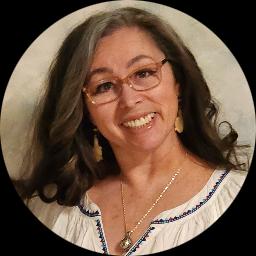
About Carla
Her work is practical and direct. She helps people talk through difficult feelings and find steps that fit daily life. Sessions often focus on understanding patterns, building coping skills, and planning small changes that add up over time.
Carla uses several evidence-informed approaches, including cognitive behavioral strategies to shift unhelpful thinking and dialectical behavior tools for emotional regulation. She also draws on trauma-focused methods and mindfulness practices when those fit a person’s needs.
She supports people dealing with relationship strain, body image concerns, grief, hospice and end-of-life questions, and substance issues. She also addresses issues like abandonment, family-of-origin patterns, and co-occurring conditions that complicate recovery.
Clients can expect straightforward conversations about goals and next steps. Carla encourages collaboration - she and the client set priorities together and track progress. To begin, a prospective client completes a short matching questionnaire and schedules a first session.
Areas of expertise
Also works with
Additional focus areas
Therapeutic approaches
Experience
11+ years
Credentials
West Virginia
Languages
English
Therapeutic approaches and online sessions
Carla uses cognitive behavioral therapy (CBT) to help people identify and change unhelpful thoughts and behaviors. CBT can be useful for anxiety, depression, and stress when practical steps and skill practice are needed.She also uses dialectical behavior therapy (DBT) skills to teach emotion regulation, distress tolerance, and interpersonal effectiveness. Those tools can help when intense emotions or relationship strain make daily life harder.
Finding the right approach is part of the work together. Carla reviews a person’s needs, goals, and preferences and recommends approaches that match those priorities. The choice of techniques is collaborative and may change as goals evolve.
Session formats are not specified in the original biography, so confirm current options before booking. Online work can make it easier to fit sessions around medical appointments, caregiving responsibilities, or travel. It also allows shorter check-ins when energy is limited and avoids the need to travel to an office. Licensed professionals can adapt CBT and DBT skills for remote sessions, focusing on practical exercises, skill rehearsal, and planning between meetings.
Frequently asked questions
What concerns does she address related to later life?
She lists aging and geriatric issues along with hospice and end-of-life counseling, grief, and coping with life changes.
What is her general therapy style?
Her work is practical and direct, focusing on talking through feelings, building coping skills, and planning manageable steps.
How much experience does she have?
She has 11 years of professional experience working with stress, trauma, addictions, depression, and life transitions.
What credential and region is she associated with?
She holds the LPC credential and practices in West Virginia; her credential is listed as WV LPC.
Are sessions available in other languages?
Sessions are offered in English.
Can international clients work with her?
She accepts international clients, as indicated in her profile.
How are sessions paid for and how much do they cost?
Cost varies with location; sessions use a subscription that can be canceled at any time.
What are the first steps to begin therapy?
Select the See online therapy options button, complete a short matching questionnaire, and schedule a first session.