- Stress and anxiety
- Grief and loss
- CBT and ACT methods
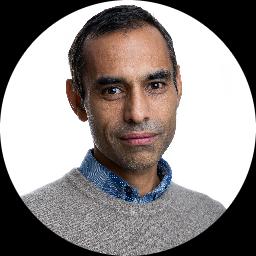
About Bhuwaneshor
He has worked in complex community mental health settings and currently holds a senior mental health practitioner role in a non-profit organisation. In that role he has supported people experiencing a wide range of concerns, including distress, severe mental health presentations, grief and loss, anger regulation, and serious mood and psychotic conditions.
Bhu bases his work on person-centred and strength-based ideas. He uses recovery-focused, humanistic practice and helps people notice and use their own strengths. In sessions he mixes practical techniques with conversations about values, meaning and purpose.
His approach draws from Cognitive Behavioural Therapy and Acceptance and Commitment Therapy, and also includes elements of dialectical and existential thinking. He sometimes integrates cultural and philosophical material alongside psychological methods to widen perspectives on problems and solutions.
Bhu speaks English, Hindi and Nepali. He aims to teach skills and offer concrete strategies so people leave with new ways to cope. To begin, the site asks people to complete a short matching questionnaire and schedule a first session through the online therapy options button.
Areas of expertise
Primary focus
Additional focus areas
Therapeutic approaches
Experience
8+ years
Credentials
AASW · Australia
Languages
English, Hindi, Nepali
Therapeutic approaches and online sessions
Acceptance and Commitment Therapy (ACT) focuses on helping people clarify what matters to them and take steps in that direction while learning to live with difficult thoughts and feelings. It is often used for anxiety, depression and coping with life changes. Cognitive Behavioural Therapy (CBT) looks at the links between thoughts, feelings and behaviours and teaches practical skills to reduce distress and change unhelpful patterns. CBT is commonly used for anxiety, depression and managing stress.Finding the right method is part of the work. The therapist will discuss different approaches with the client and choose what fits their goals and preferences. This is a collaborative process that can change as needs evolve.
The original biography does not specify session formats here, so please confirm current session options before booking. Online therapy can make it easier to fit sessions into a weekly routine, reduce travel, and allow shorter check-ins when needed. It also gives more flexibility for people coordinating care, medical appointments or caregiving responsibilities. Appropriately qualified therapists can use these formats to focus on skills practice, values-based planning and problem solving in regular sessions.
Frequently asked questions
What concerns does he work with?
He works with stress, anxiety, grief, anger, depression and coping with life changes, with an additional focus on ageing and geriatric issues and related challenges.
What is his therapeutic style?
He uses person-centred, strength-based and recovery-focused approaches, blending practical techniques with discussions about values and meaning.
How much clinical experience does he have?
He has eight years of post-graduate counselling and case management experience in community mental health settings.
What credentials and location are listed?
He is listed as AASW and is based in Australia.
Which languages are supported?
Sessions are offered in English, Hindi and Nepali.
Can I book sessions from outside Australia?
International clients are not currently accepted.
How are fees handled?
Cost varies with location and sessions use a subscription that can be cancelled at any time.
How do I begin working with him?
Select the See online therapy options button, complete a short matching questionnaire, and then schedule your first session.