- Client-Centered Therapy
- Cognitive Behavioral Therapy
- Mindfulness practice
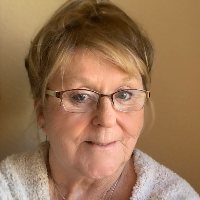
About Barbara
She has worked in outpatient clinics, private practice, retirement homes, and criminal justice settings. That range means she has seen many practical problems that come with transitions, caregiving, and changing routines later in life. She also has experience with addictions, trauma and abuse, bipolar disorder, and compassion fatigue.
Her style is straightforward and collaborative. She uses client-centered methods that focus on what the person brings to the session. She also draws on cognitive behavioral techniques to identify unhelpful thinking and on solution-focused tools to find immediate steps that make daily life easier.
Mindfulness practices are offered to help with stress and anxiety, and motivational interviewing is used when people want to change behaviors such as substance use or caregiving patterns. Barbara often provides brief handouts and readings to support learning between sessions and to build a practical set of coping tools.
She aims to work closely with each person to decide which approaches fit their situation. That can mean short-term problem solving or longer work on mood, grief, or relationship patterns. Sessions are conducted in English and international clients are accepted.
Areas of expertise
Also works with
Additional focus areas
Therapeutic approaches
Experience
35+ years
Credentials
California
Languages
English
Therapeutic approaches and online sessions
Barbara uses Client-Centered Therapy to focus on each person's concerns and goals. That approach involves listening closely and shaping sessions around what matters most to the individual, which can help with grief, life changes, and relationship stress.She also uses Cognitive Behavioral Therapy (CBT) to help identify and shift unhelpful thoughts and behaviors. CBT offers clear exercises people can practice between meetings to reduce anxiety or manage low mood.
Finding the right approach is part of the work. The therapist will collaborate with the client to decide which methods fit their needs and preferences, adjusting over time as goals change. This is a practical conversation about what helps in day-to-day life.
The biography does not specify particular session formats, so confirm the current options before booking. Many people find online sessions make it easier to fit therapy into a routine, reduce travel time, or allow shorter check-ins on busy days. If video is difficult, phone sessions can be a simpler alternative because they often need less bandwidth and allow people to keep camera use optional. Discussing format is part of the initial planning to match sessions to schedule and comfort.
Frequently asked questions
What concerns does she address?
She works with stress, anxiety, grief, depression, self-esteem, relationship and family issues, and concerns tied to aging and caregiving.
What is her therapy style?
She follows a collaborative, client-centered approach and combines it with practical techniques like CBT and solution-focused methods.
How much clinical experience does she have?
Barbara has 35 years of experience in settings that include outpatient clinics, private practice, retirement homes, and criminal justice environments.
What are her credentials and location?
She is a Licensed Clinical Social Worker (LCSW) licensed in California.
Which languages are supported?
Sessions are offered in English and international clients are accepted.
What session formats are available?
The original biography does not list specific session formats; please confirm current session options before booking.
How are costs handled?
Cost varies with location and sessions use a subscription that can be canceled at any time.
How do I begin working with her?
Select the See online therapy options button, complete a short matching questionnaire, and schedule a first session.